
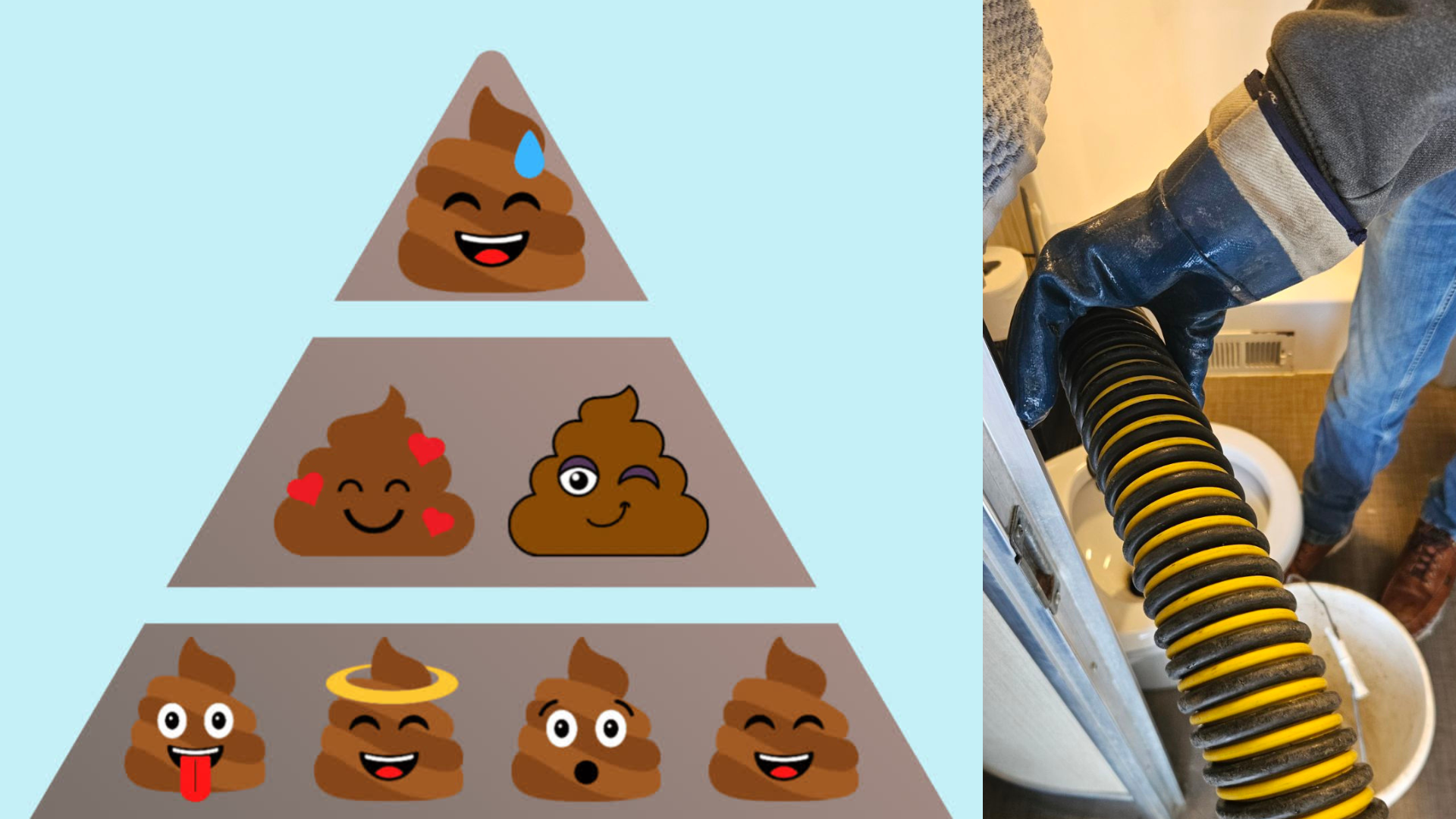
Things got even crappier (our first poo pyramid!)

We've surprised some people this winter, not just by staying stationary in the North, aka Snowville, but actually embracing it. What can we say? When we have one plan and then life throws a major curveball, all we can do is count our blessings. We're safe and warm, we have family nearby, and besides periodic frozen water lines, our RV equipment is holding up great.
However, we've come to learn in the RV life, that one problem that seems small could lead to another, and another. We experienced this type of domino effect last year. We lost heat in our RV due to propane issues, which led to the worst freeze we've ever had in our RV. Casualties included our water pump and tankless water heater. Because of this, we don't take our functioning equipment for granted. We know that, at any point, things could take a turn.
We were cautiously optimistic when we prepped for the first prolonged deep freeze of the season. We poured RV antifreeze down into our waste tanks in hopes that we'd be able to get our pumpout the following week. As a reminder, we only have access to electric and water while moochdocking at our home-base. We do not have sewer hookups, and so we use the local RV pumpout service, aptly named RV Pump Service, to dump and flush our waste tanks. We've been using them since our first year on the road, every time we return to our home-base for an extended period of time. They are kind, reliable, and know their shi...well, you know. We said it in the last blog: we couldn't have our stationary time without them, and these times have become essential for keeping our morale high enough for full-timing all these years.
So what we're about to say has nothing to do with the knowledge and expertise of our pumpout service, and really, no actual mistakes were made on their part or ours. This is just another situation where nature has a plan, and we can't quite keep up.
Let's first briefly recap what happened during our pumpout during the deep freeze, but if you'd like more details about that day, you can read it here. On the day of the pumpout, Anthony needed to thaw our secondary valve, which had frozen shut. During that time, he made sure all the surrounding areas were also thawed, like our valve handles. However, James our pumpout guy didn't arrive until after dark, and when he did, he found more areas that needed thawing, namely the rest of the valve pulley system. James and Anthony got to work, using James' heat gun and our propane heater. This thawed things enough to get the valve open, but once pumpout began, ice became lodged in the pumpout hose, and soon after, the pump mechanism itself. James had a...solution. But the domino effect had already begun. We could only get partially pumped, black tank only. Afterwards, we had a night of heat issues, stemming from the fact that we needed to take our propane tank out of its heated blanket in order to connect it to the propane heater.
These dominos didn't fall far. We found easy solutions to both problems. On the heat front, the furnace started working again as soon as the propane heated up enough. On the pumpout front, James made plans to return as soon as possible and get us pumped out the rest of the way. In the meantime, we had some room to spare in our tanks so we could continue using our bathroom.
A few days later, James returned, and while temperatures weren't above freezing, the sun was shining. Already a step in the right direction! Just as before, we had an hours-long thawing process, starting before the pumpout appointment and continuing once James arrived. This time, a lump of ice formed in our sewer port, obstructing the flow out from the tank. James was getting some flow, but it was slow going.
Astute readers might guess where this story is going. Well, also because we gave it away in the title. We were so focused on getting the tanks emptied that we overlooked an important question: If ice was allowing only some drainage, what was getting drained, and what was getting left behind?
We said no mistakes were made, but if there was any point of oversight, this was it. There was no real way to know how big the ice chunk was, if part of it had been successfully thawed or dislodged, or if all waste was getting successfully pumped. In retrospect, however, we could have been more judicious. It's tough to apply all our RV knowledge – and knowledge of physics, for that matter – when we're in the moment, just trying to solve our issue one step at a time.
Our moment of realization came after James left. Anthony went to pour more RV antifreeze town the toilet, but it wouldn't go down. It was too viscous and the tank was too full. Too full of what? We had just been pumped! And then came the literal "Oh, crap!" moment. If ice was obstructing enough of the sewer port that solids still couldn't make it out, this meant we drained the liquids, leaving the solids behind. It was official: over 4 years into RVing, and we had our first poo pyramid.
The dreaded poo pyramid. It usually occurs when RVers make the rookie mistake of not filling their black tank partially with water after they empty it, or putting too many solids down the tank and not enough liquids (like wads of toilet paper that don't dissolve well). The mere concept of it is enough for some RVers to refuse to even deposit solids down their toilet! In reality, though, it's an easy situation to avoid most of the time, and even if it does happen, it's not the end of the world.
Our pyramid, of course, happened a bit differently. The solution would be a little different than usual, too. The ideal solution for travelers would be:
- Fill the tank with liquid and some type of enzymatic, liquifying treatment
- Travel with the solution still in the tank to let it slosh around
- Get on full hookups and drain/flush the crap out of that black tank – pun not intended
- Rinse and repeat
And if necessary, call in the pros: companies that do heavy-duty tank cleanouts.
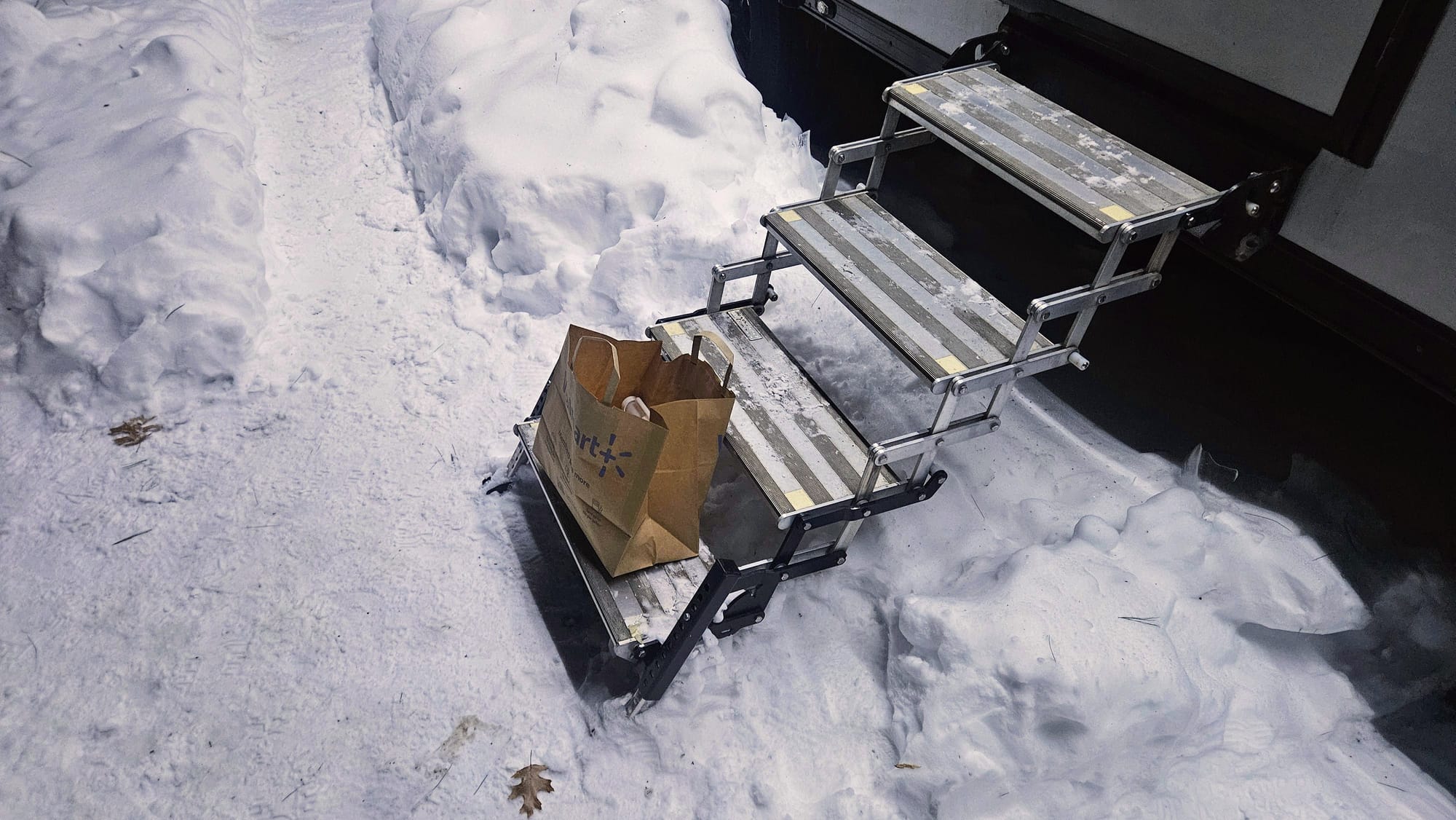
In our situation, we already had pros on-call. We didn't have full hookups or infinite running water. We weren't traveling and therefore couldn't agitate our black tank. Instead, we focused on what we could do. We could still use liquifying treatment, only we didn't have any on-hand. We ordered some with expedited shipping from Walmart, and it arrived that night. Funnily, the delivery driver dropped if off on our RV steps instead of at the house. He must have known what it was!
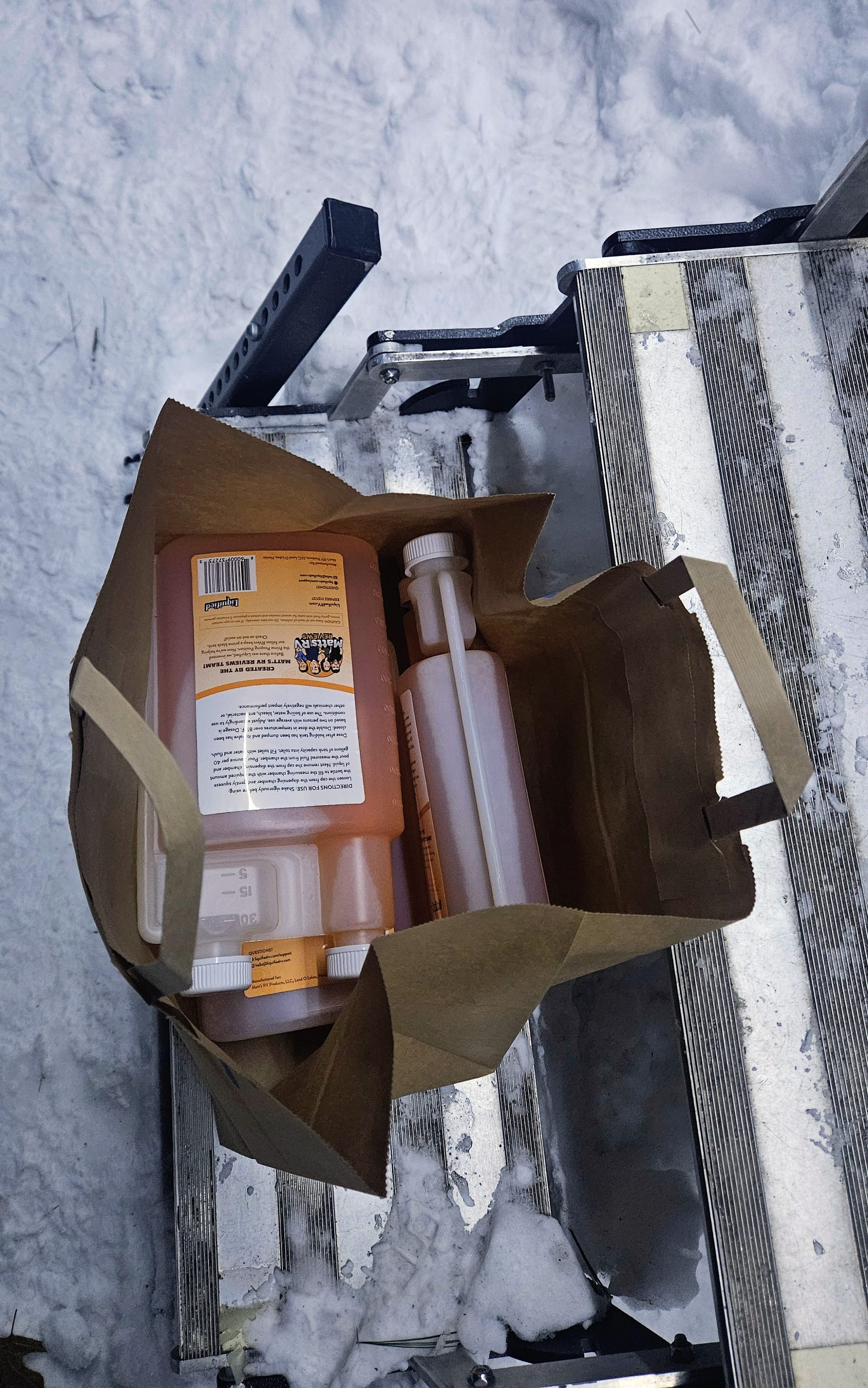
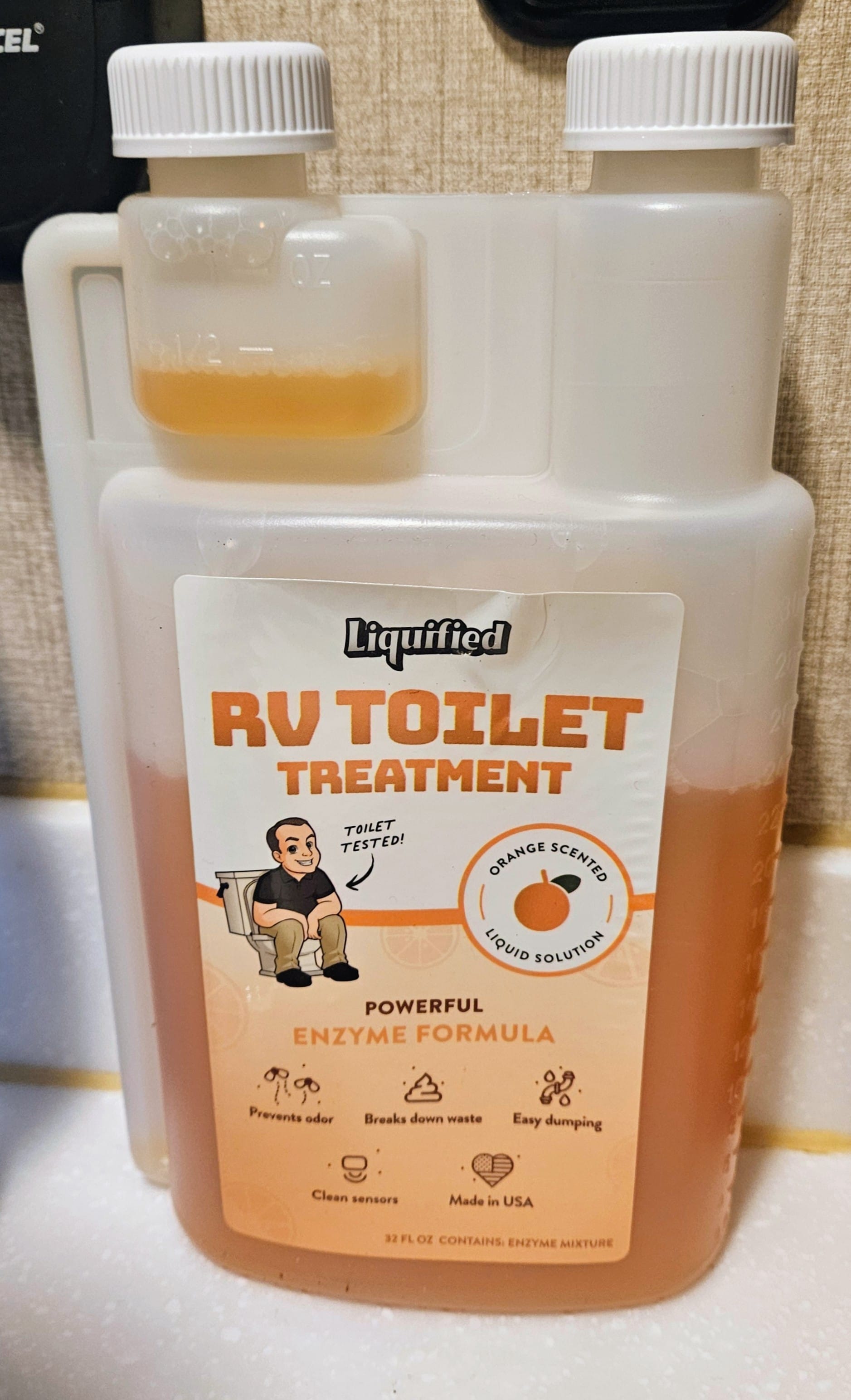
Without agitation, the tank treatment wouldn't work to its full potential, but we figured adding some was better than nothing. Then, until James came back, we committed to using the house bathroom as much as possible, and keeping our RV bathroom breaks to liquid-only. The good news was, we weren't completely clogged, and we still had some ability to flush thinner liquids. We could make do, as long as we didn't make doo-doo. In fact, using the toilet for number one was part of the solution! More liquids were good, no matter what they were.
Two days later, James was back ready to help us demolish our pyramid. We were so close to being above freezing, but didn't quite make it.
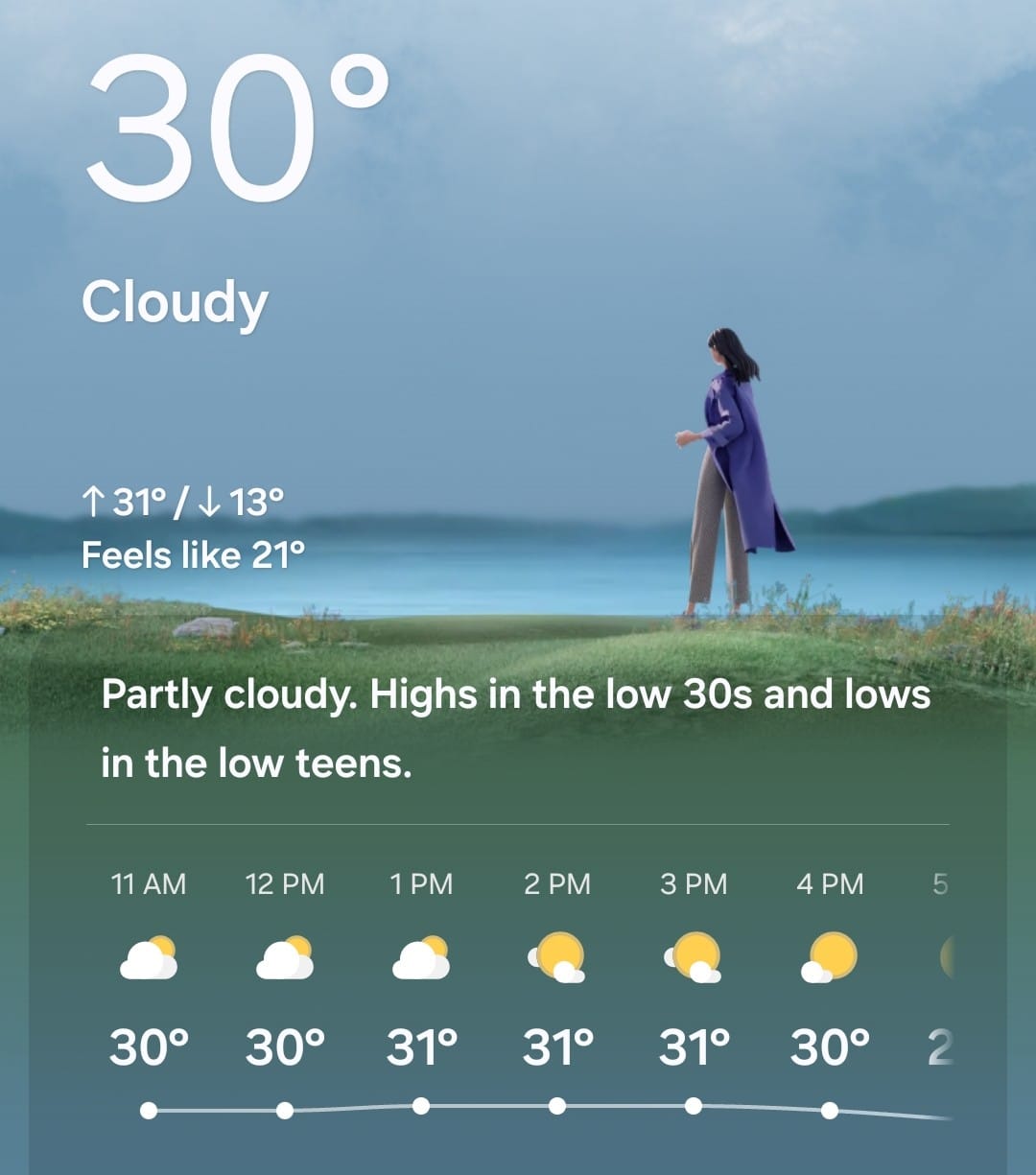
This unfortunately meant our water was limited, but if we've learned anything about James this winter, it's that he doesn't shy away from a challenge. He attacked our pyramid at both ends – outside at the drainage port, and inside from the toilet.
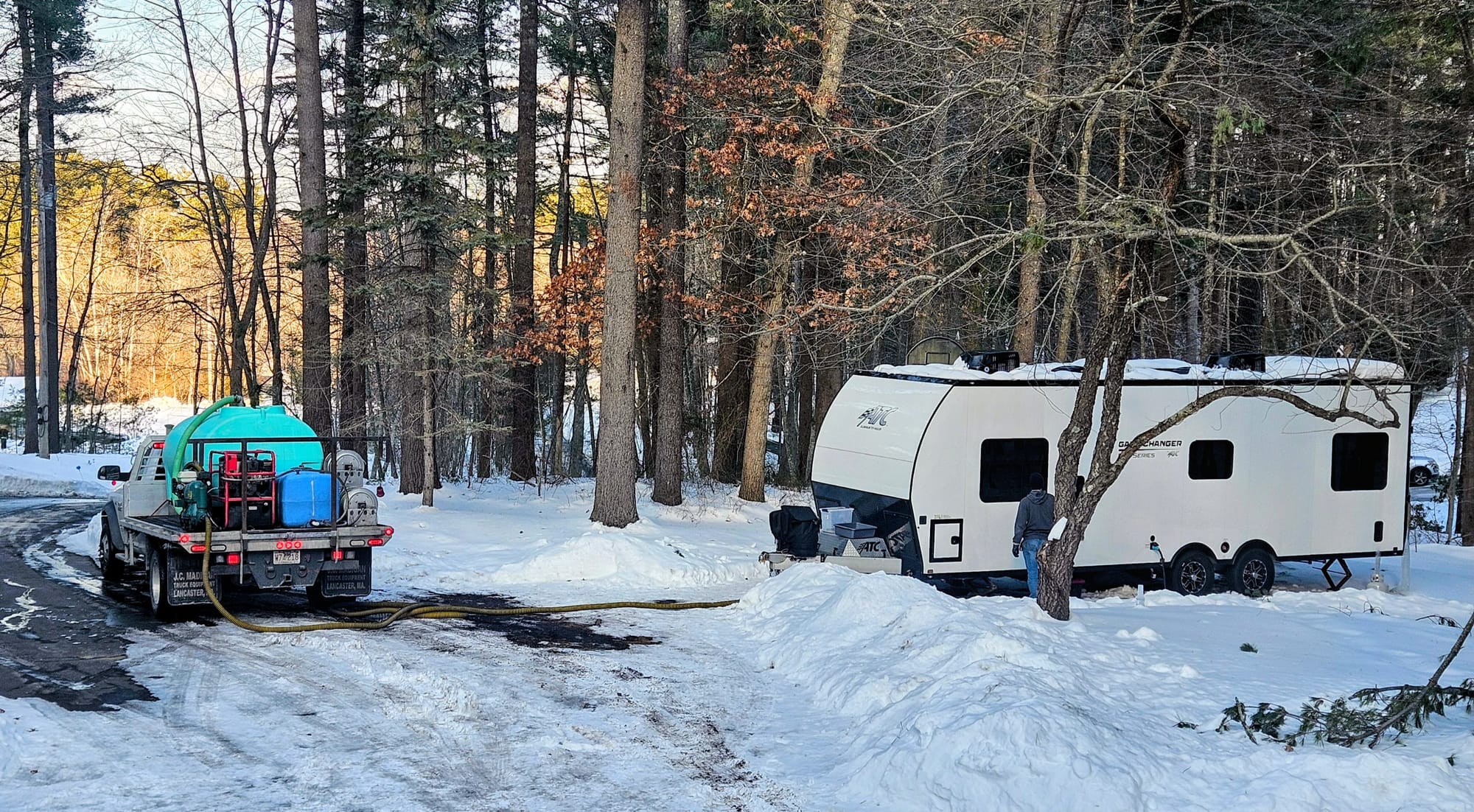
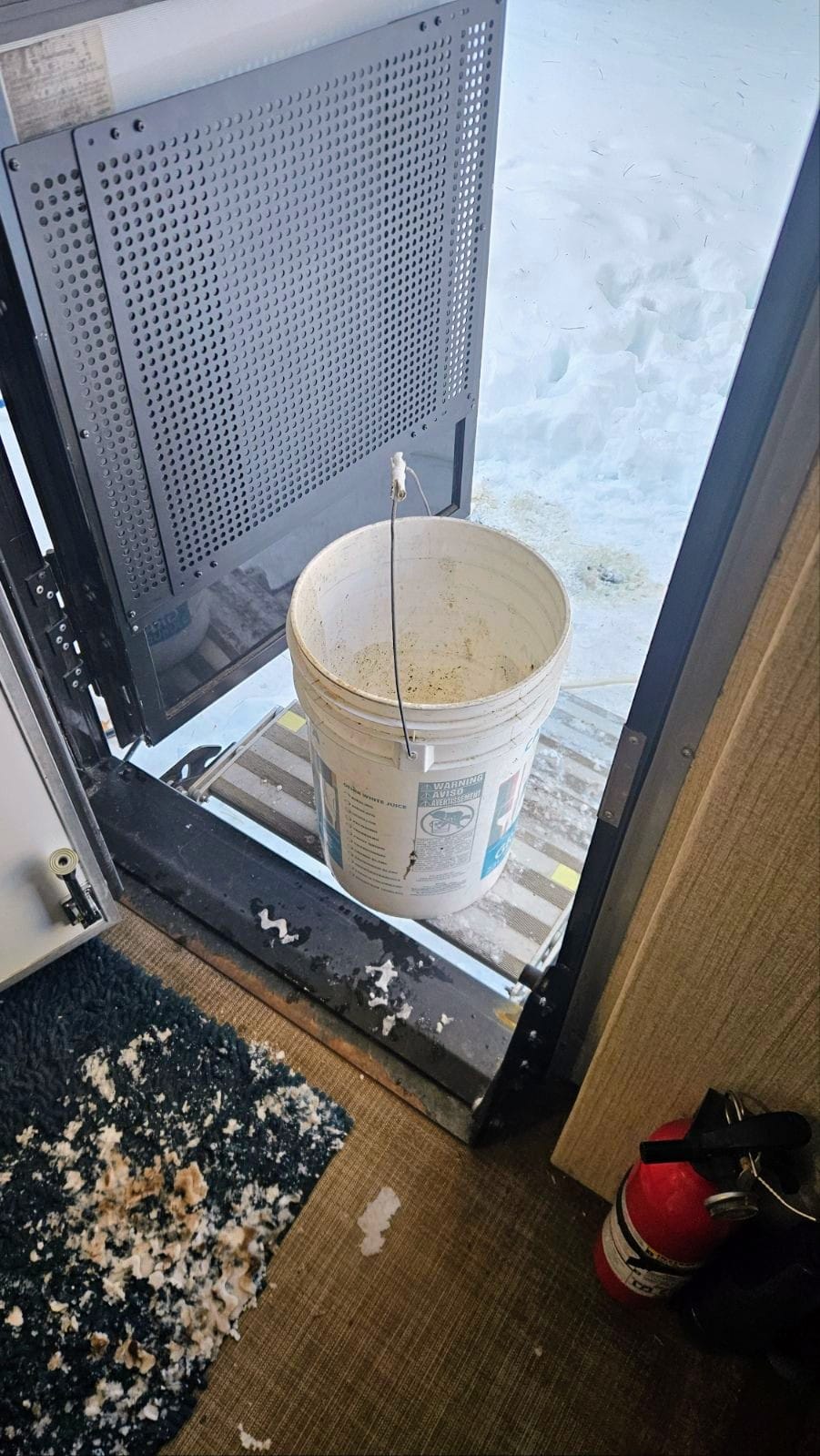
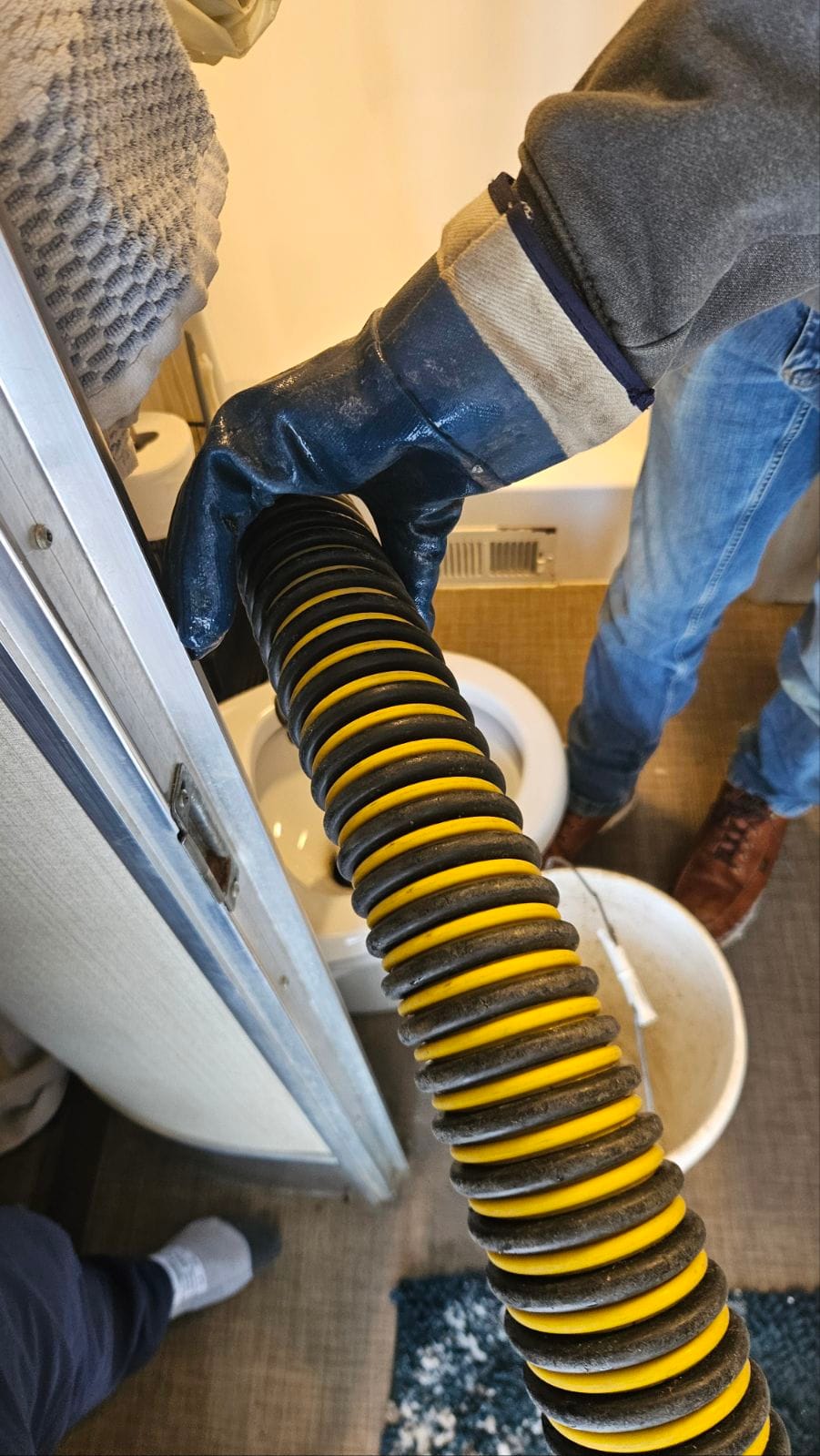
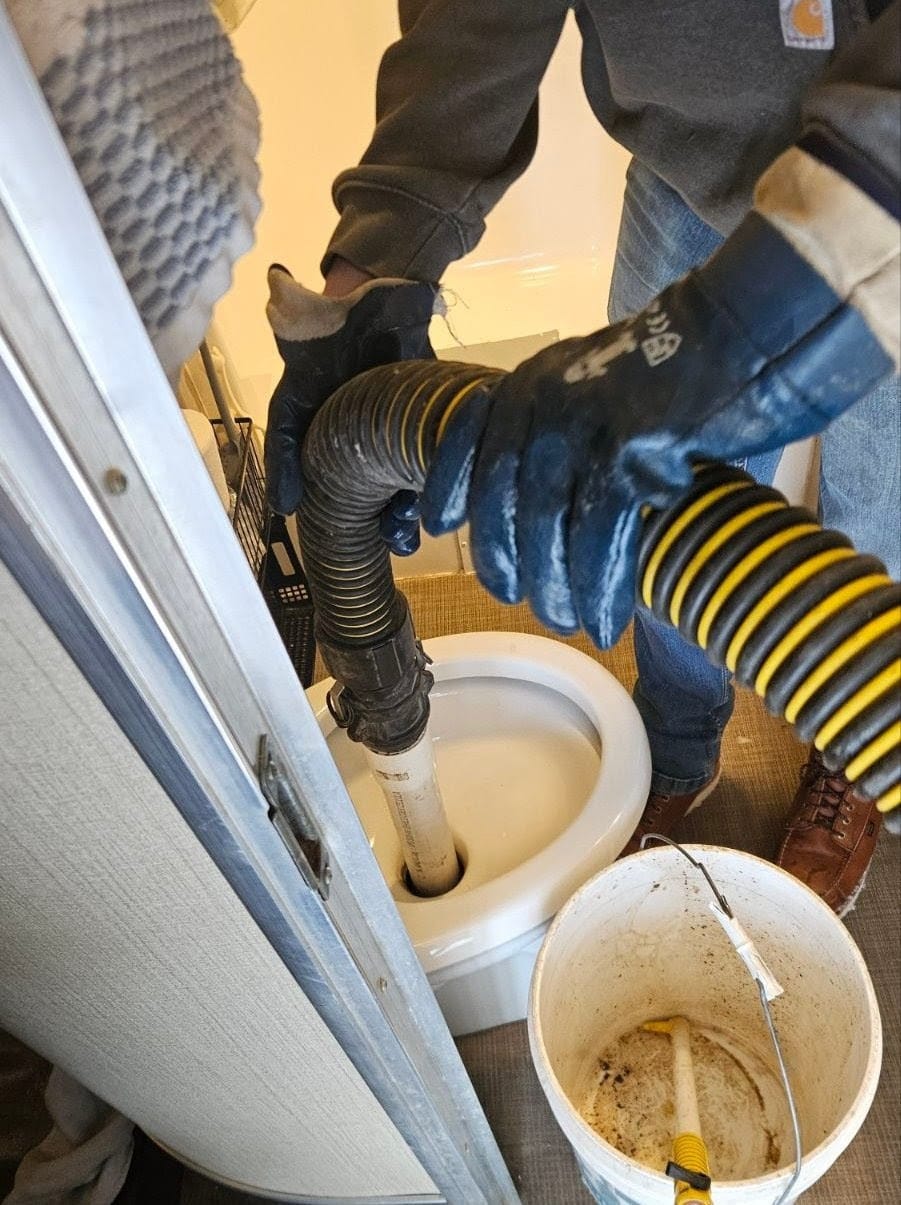
The pumpout guys have really been put through the ringer this year. Never before have they needed to deal with so much freezing and all the equipment issues that happen as a result. We got to hear horror stories far worse than ours, as James shared the tales of winter pumpouts. At the very least, we try to bring our knowledge and resources to make their jobs a little easier. But this? This was beyond our capacity.
This appointment ended in a better place than it started. We demolished most of our pyramid, and our tanks, both black and gray now, were empty enough to buy us several days of use. We still needed to be diligent, though, limiting the solids we put down the toilet and closely monitoring its functioning. We planned for James to come back the following week, when we would hopefully have a big piece of the puzzle that's been missing: above-freezing temperatures! This would mean more ability to keep our equipment thawed and use more water to flush the tank. We kept our fingers crossed that this encouraging forecast would materialize.
But what if it didn't? What if February truly is the month that pushes us to our limits? Surely, there must be a tipping point somewhere, where we finally determine that the stress of winter outweighs the stress of travel. Were we finally there? We had a lot riding on that next week: the forecast, the pumpout appointment, and other life circumstances that remained unforeseen. Where would the dominos fall this time?
To be continued.