
Tornadoes predicted for New England! Why our severe weather prep was even more important here

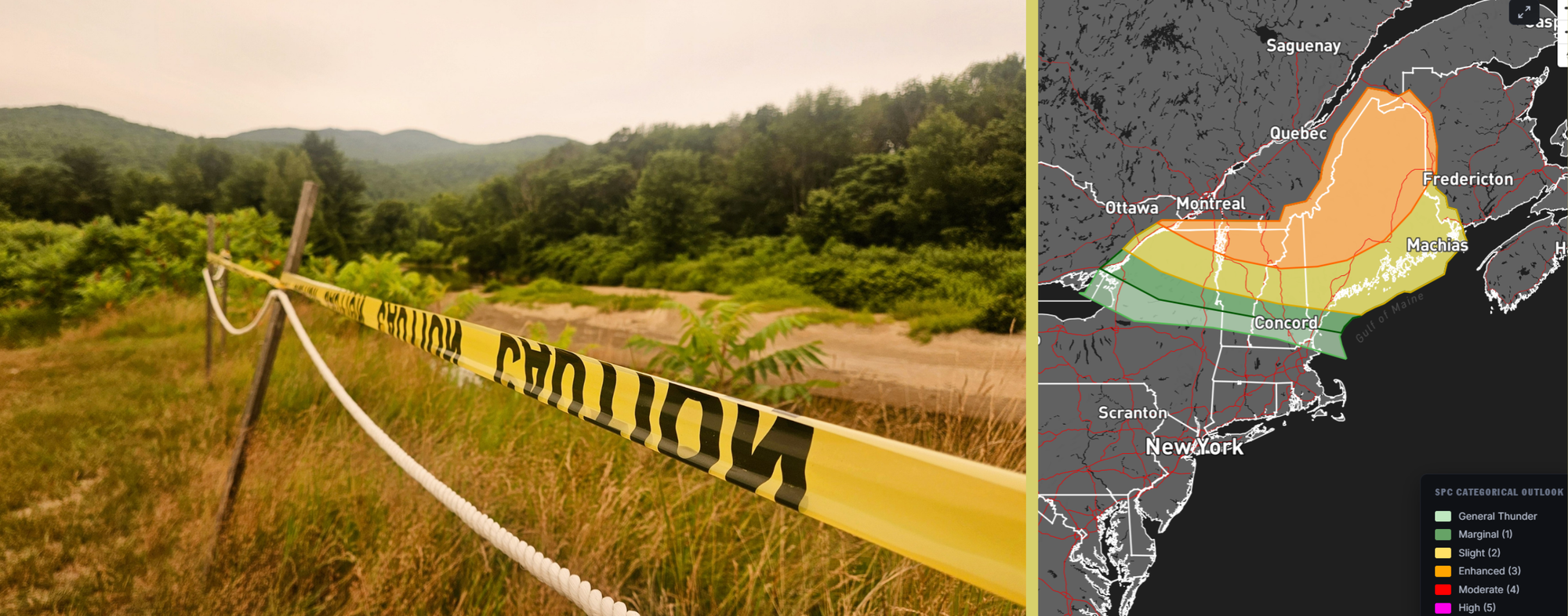
We slowed down to spend two weeks in NH, at our go-to campground near our land. Life slowly returned to normal as we all adjusted to being in our RV, in a familiar place. We spent our time working, running errands, and visiting our land. At first, we didn't plan to blog about our time here post-4th of July, but towards the end of our stay, nature decided to bring us an interesting surprise.
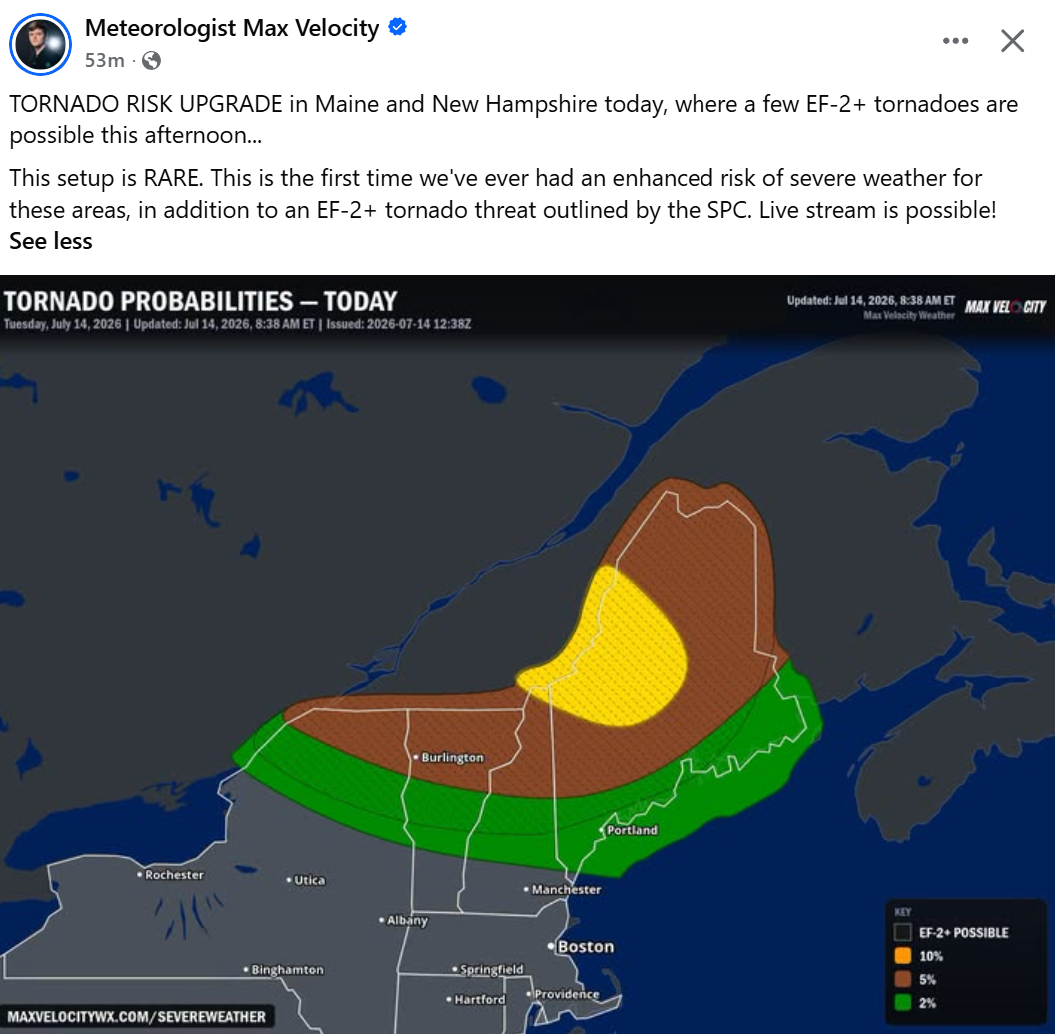
A jet stream coming from Canada was set to mix with a moist atmospheric boundary. When colliding with the heat we had been experiencing, the probability of supercells was high. Northern Maine and Canada had the most alarming forecast, and as Tuesday, July 14 approached, the outlooks kept updating to support a likelihood of damaging winds, hail, and the potential for destructive tornadoes.
Down in Central NH, we landed in a 2/5 slight risk of severe weather, and our tornado risk was a 2% hatched. The 2% means that, within 25 miles of a given point, there is a 2% chance that a tornado will occur. The hatched means that the tornado has the potential of being strong, an EF2 or higher. Like the rest of the region, our categorical outlook kept getting worse.
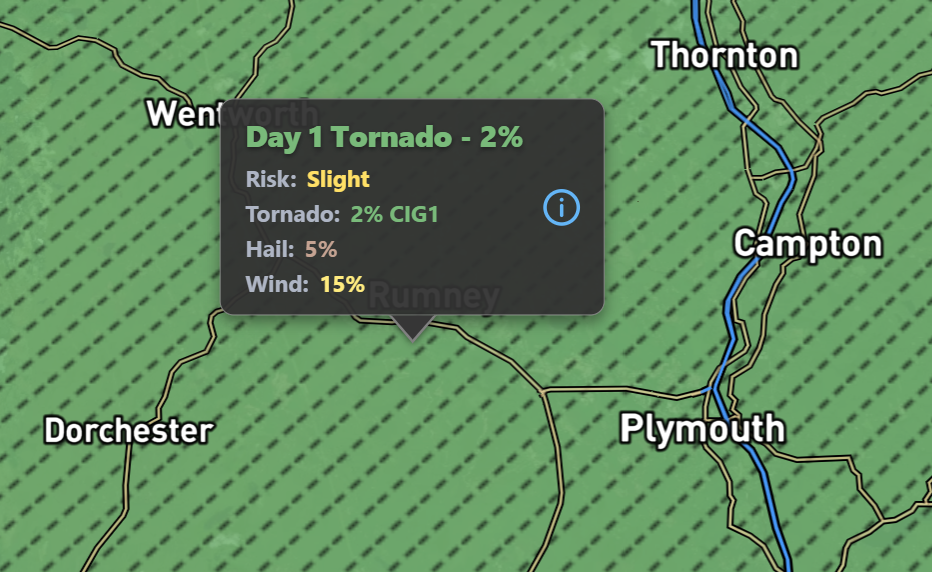
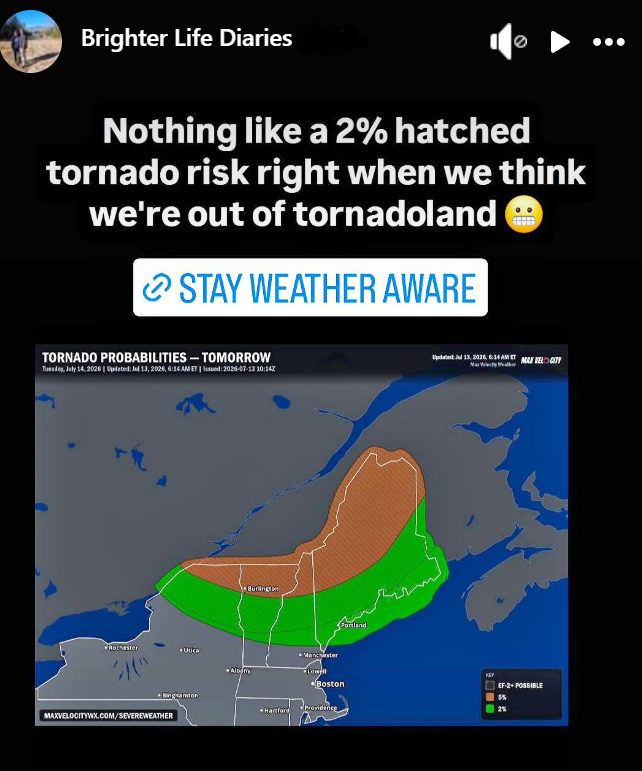
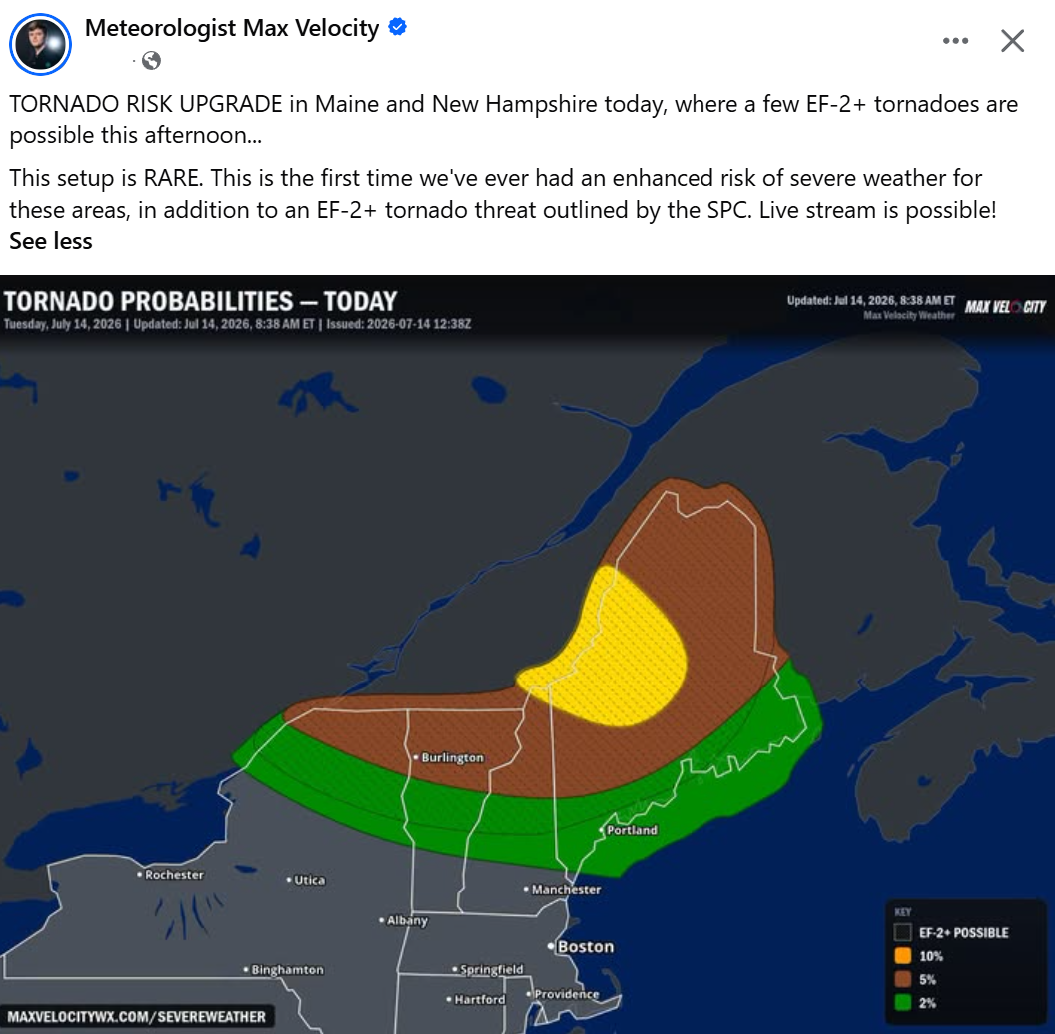
We've dealt with slight severe weather risks more times than we can count, but surprisingly, we've avoided hatched risks most of the time. We didn't expect this up here. Unlike other parts of the country where supercells are common, New England doesn't have the infrastructure to handle tornado weather. We don't have sirens. We don't have storm shelters, though most houses do have basements...such as they are. Many structures around here are very old. The radars can't accurately show convection because the mountainous landscape causes radar holes. The National Weather Service sites aren't used to determining when to issue warnings based on supercell development and rotation. NH experiences an average of 1-2 tornadoes per year, most weak and quick. Up here, we're prepared for blizzards. Hurricanes, even. But not tornadoes.
More concerning was that, this year in particular seemed to have a large number of "atmospheric surprises." A severe thunderstorm warning could indicate wind gusts up to 60mph, only for a rogue 90mph gust to come in, knocking everyone and everything off their feet. On Max's livestreams, the radar in a particular region would look totally clear, only for a supercell to form out of nowhere, triggering a tornado warning. The Mid-Atlantic had been in the weather spotlight far more than usual, and we too had experienced a severe weather outbreak there in March. Just a few days before the severe weather was due to hit us now, one of the RV parks in Lancaster, NH suffered terrible damage from a microburst. Witnesses thought it could have even been cyclonic. These surprises were enough for us to expect anything. We couldn't be complacent. Just as we normally form a severe weather action plan in the South and Midwest, we'd need to do that here.
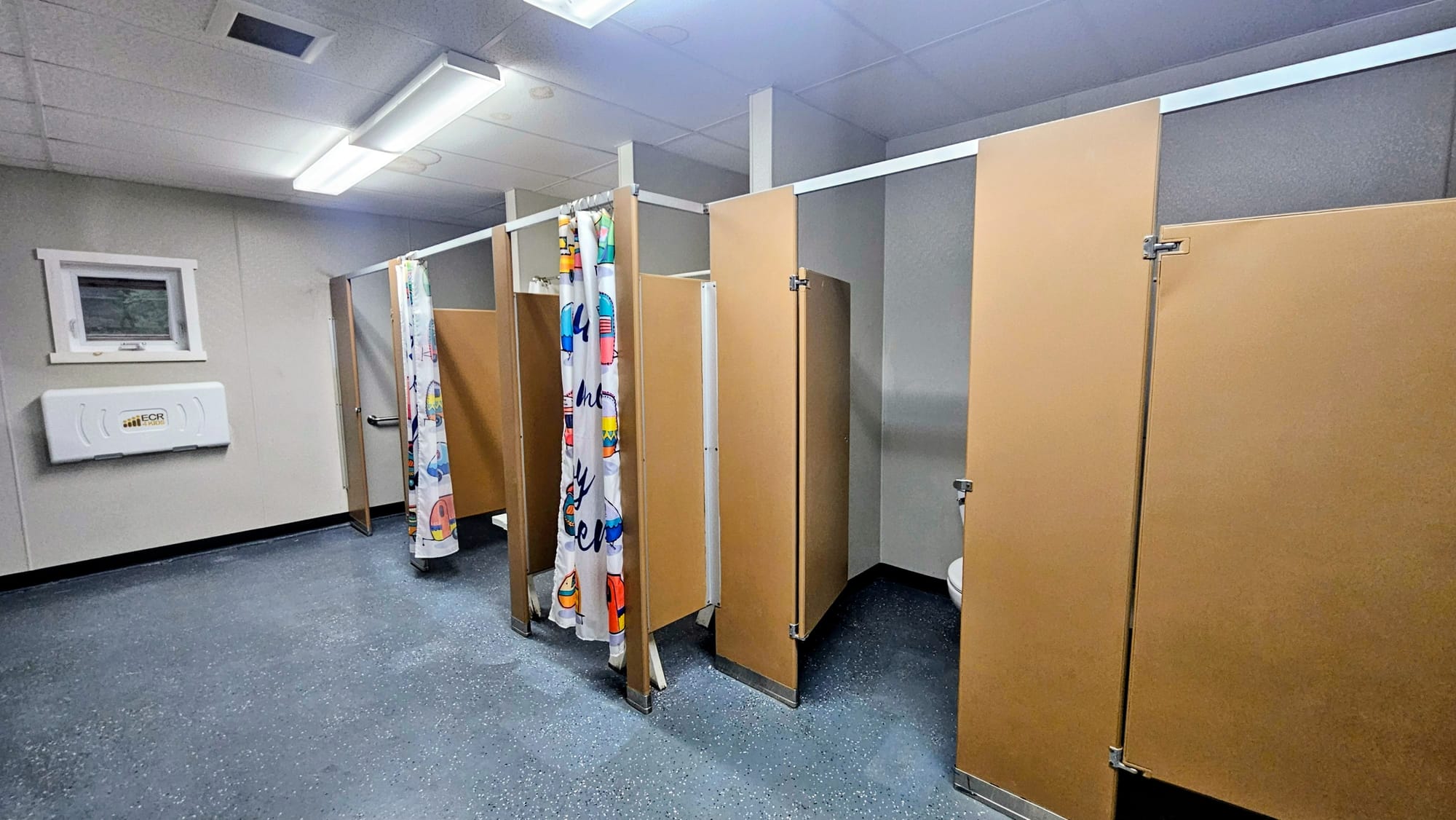
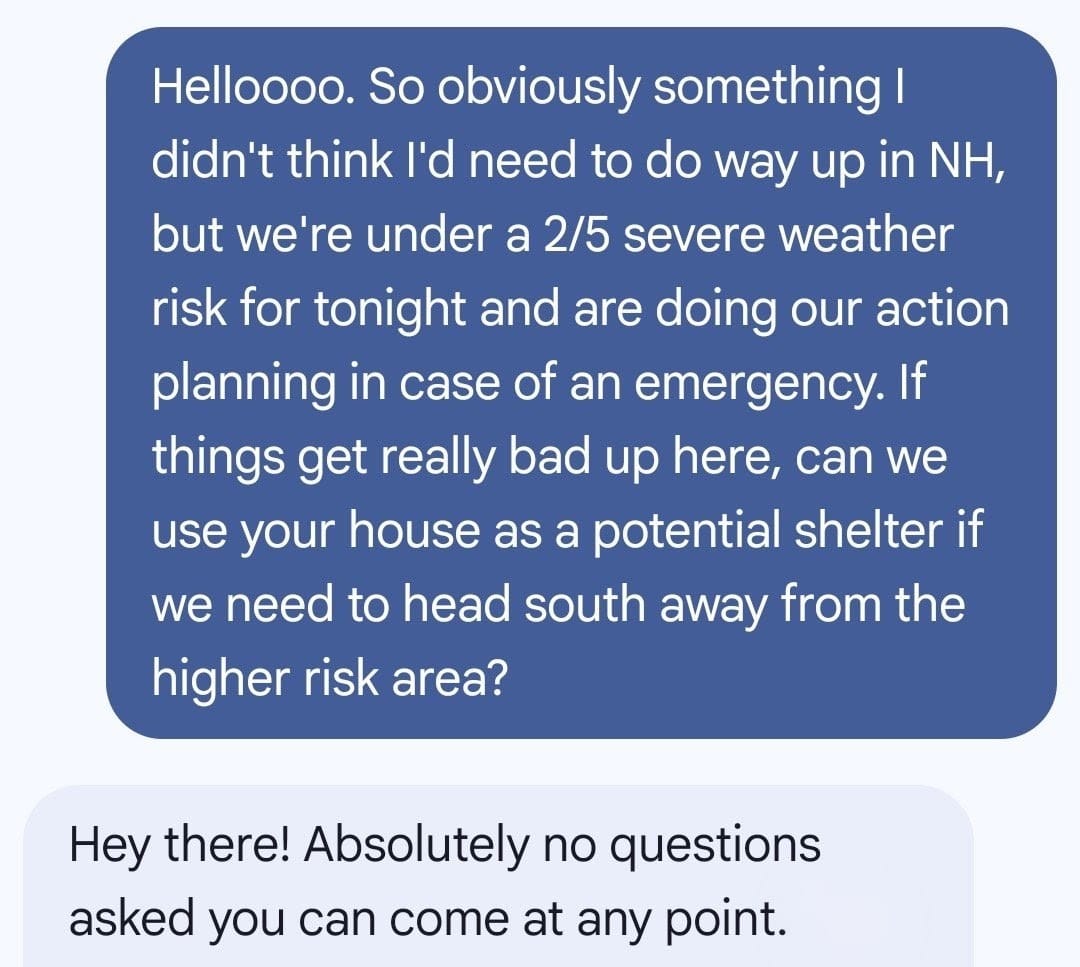
Riverbrook's best bet for a shelter was probably the center of their recreation building, where the bathrooms are located. Each bathroom has a small window, but the stalls are away from the window and relatively solid. If things got really bad, we have resources in the area that we sometimes don't have in other parts of the country. Civilization is nearby, including several hotels. We know people in the area. If things got really bad, we made plans to head the hour down to our friend Shannon's house, which was in a lower risk area.
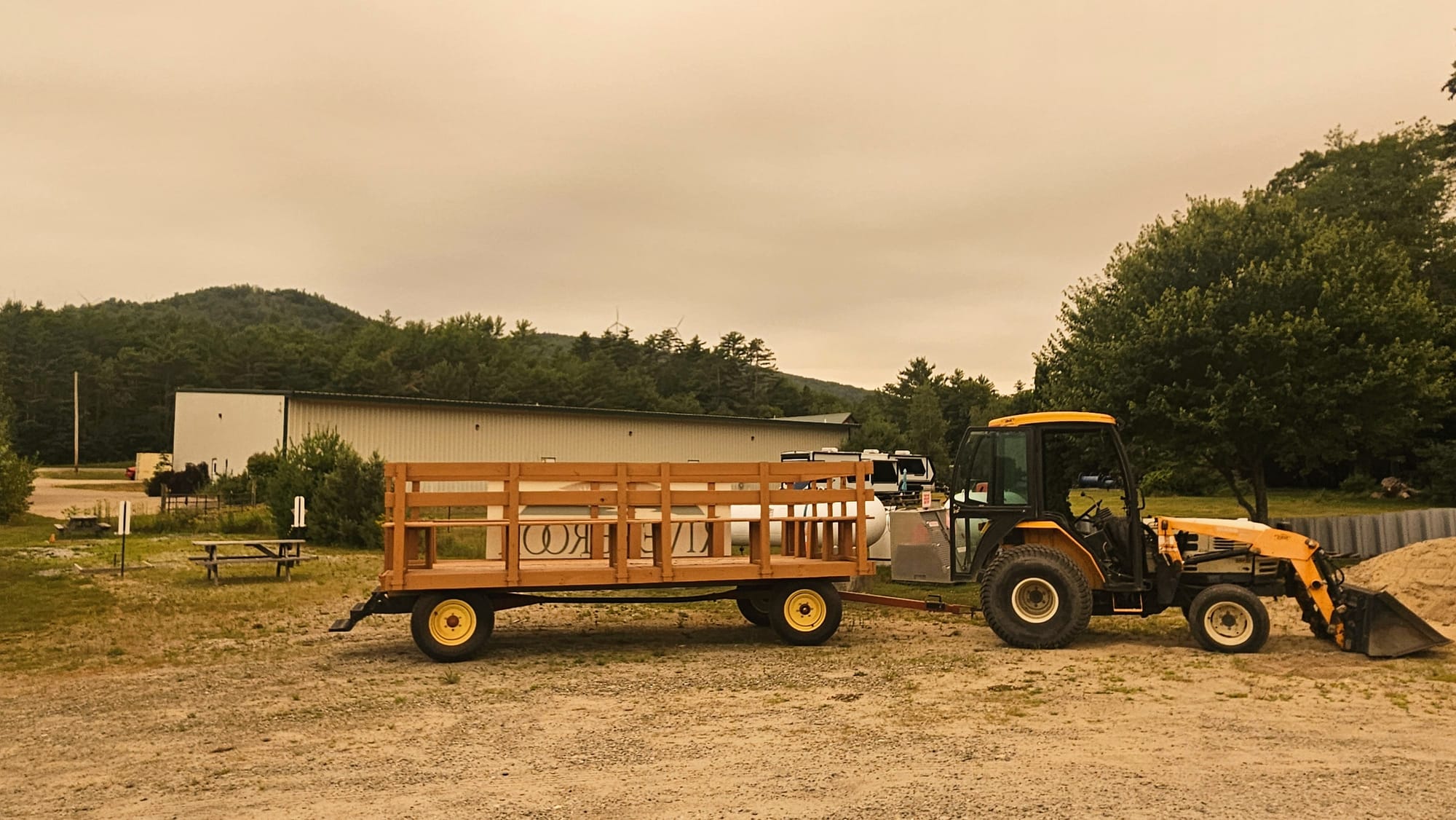
We're always gauging how many precautions to take in order to be safe, but not jump the gun too much and risk extra stress we don't need. As a result, lots of our preparation involves sitting, waiting, and watching. This began as soon as I woke up Tuesday morning. I opened the blinds and realized that the outside was looking bizarre. We weren't supposed to get storms until later that night, but the whole sky emitted a yellow, hazy tinge. Up here, that's indicative of wildfires, and while none were nearby, there were a couple in Canada. The jet stream had dipped enough that the haze had reached us. But we couldn't ignore the other reason the sky turns yellow: storms. There was thick cloud cover and high moisture.
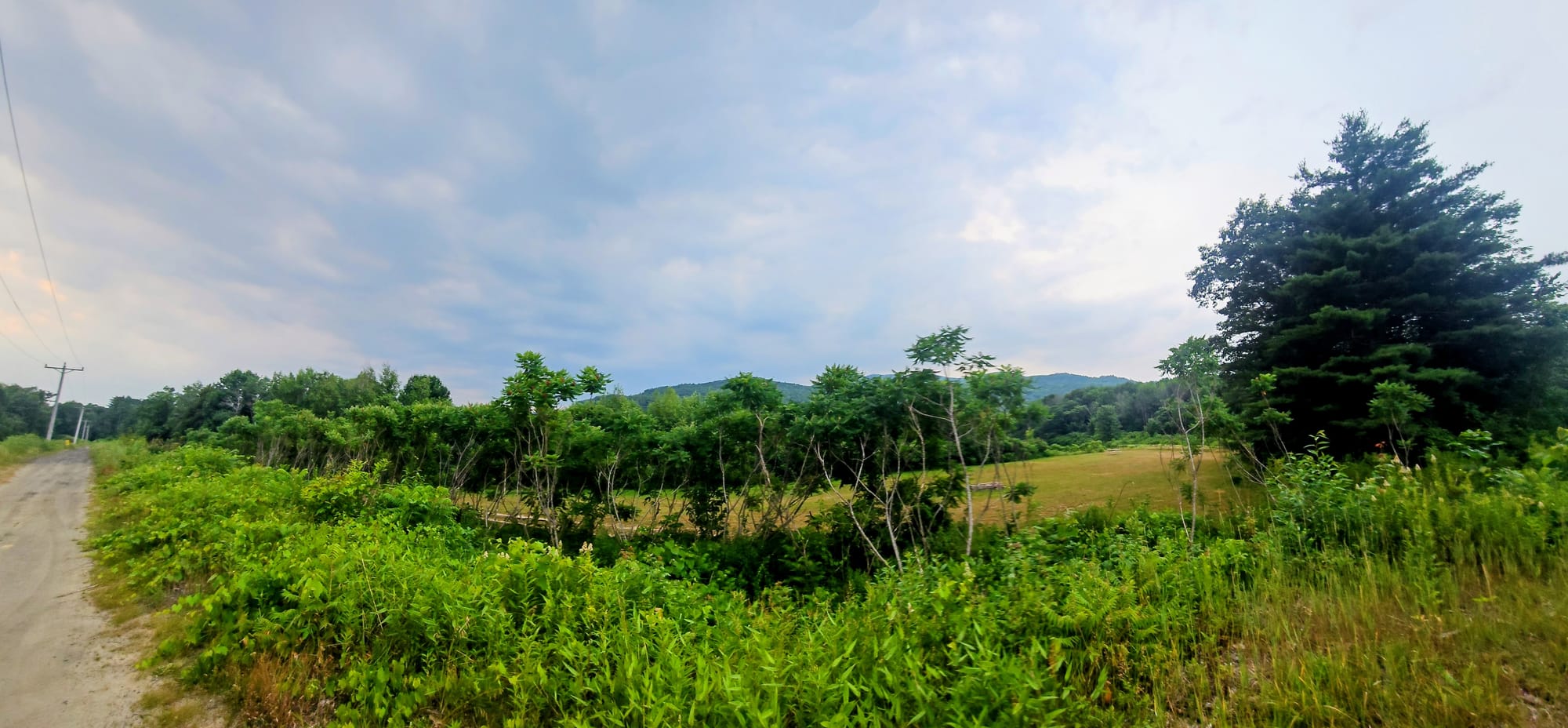
My morning walk turned into an observational walk. I monitored the sky and watched the birds, who always know when something's on the horizon. Sometimes, the calm before the storm is filled with blue skies and bright sunshine. Not this time.
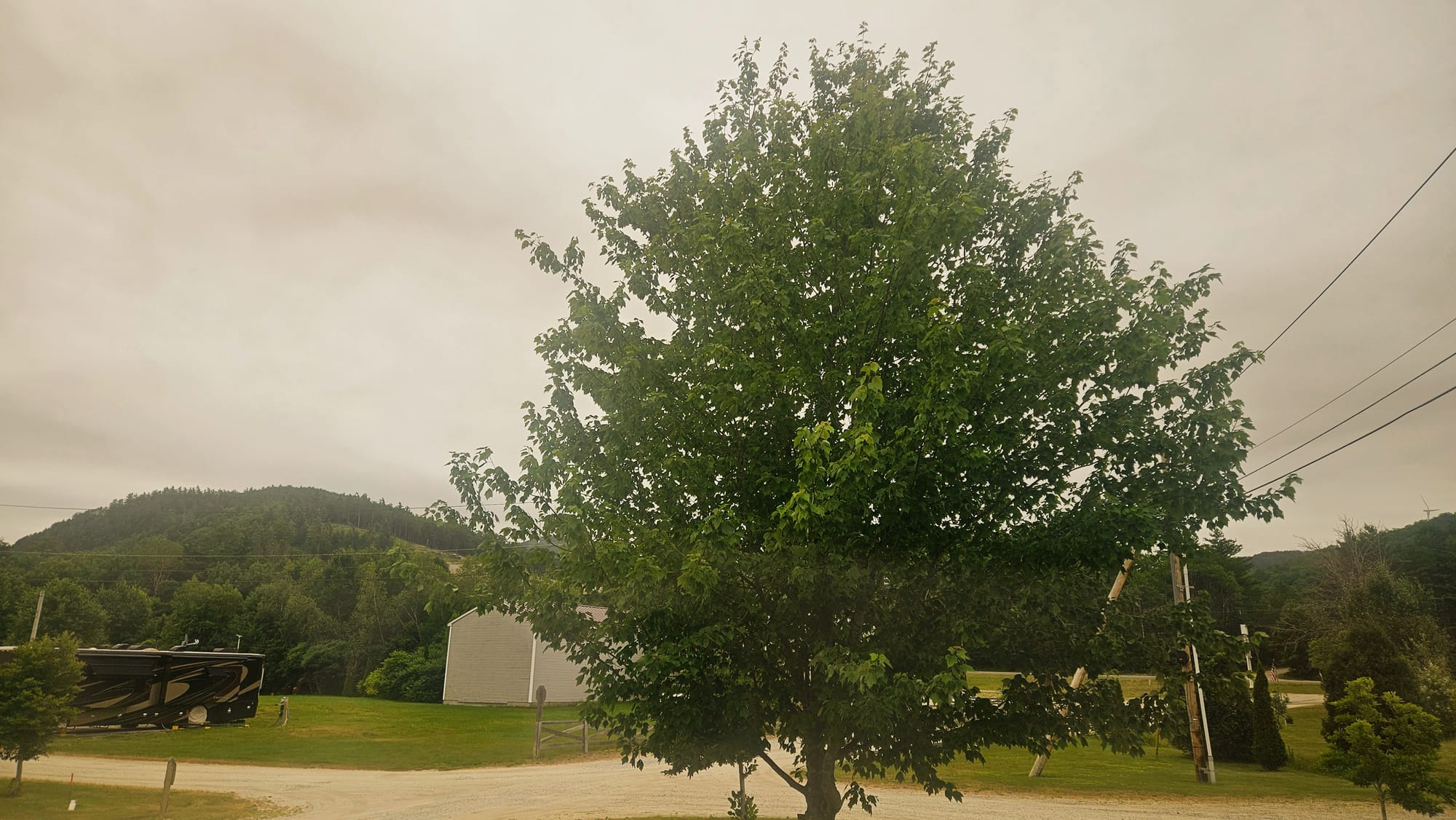
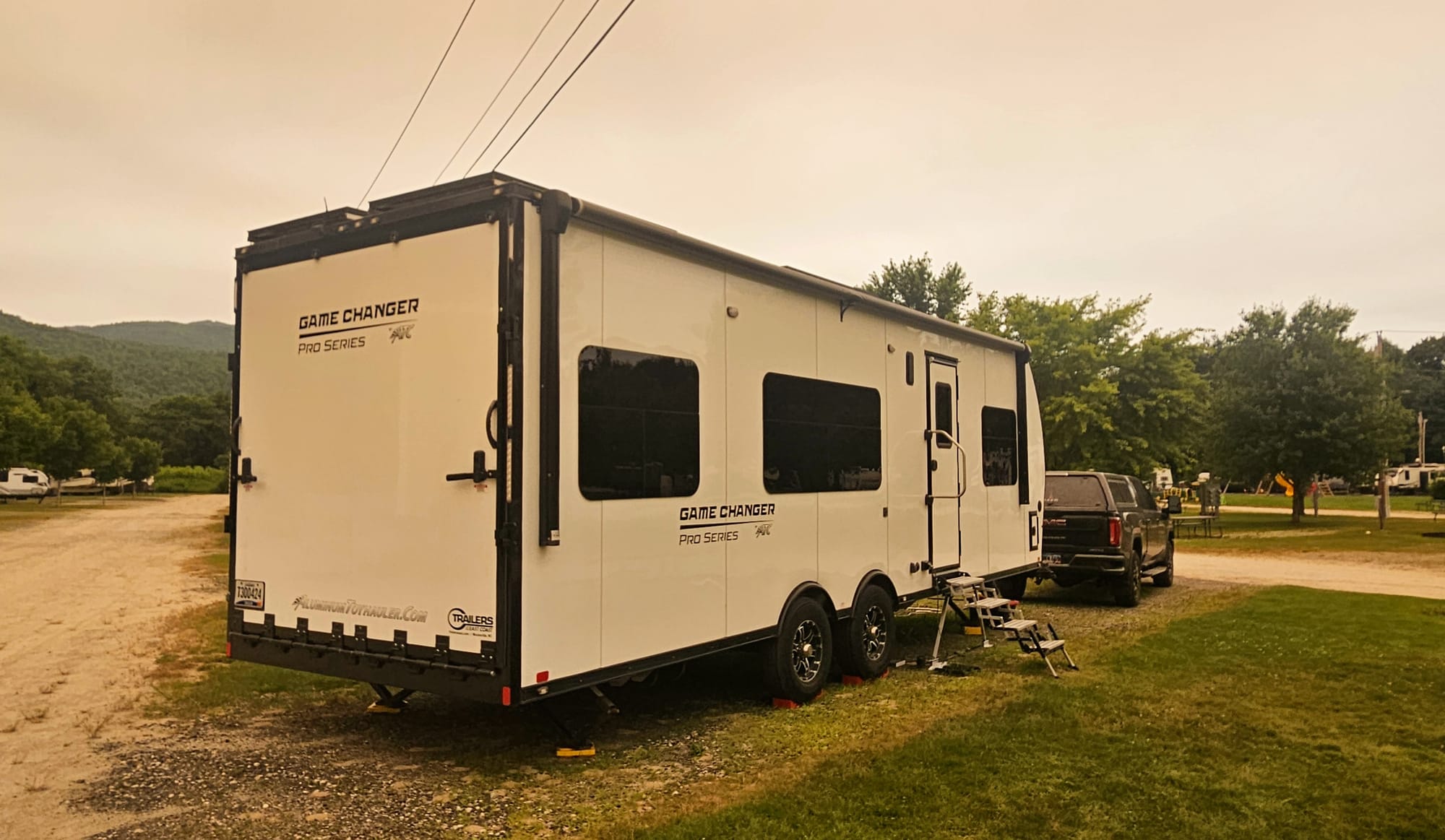
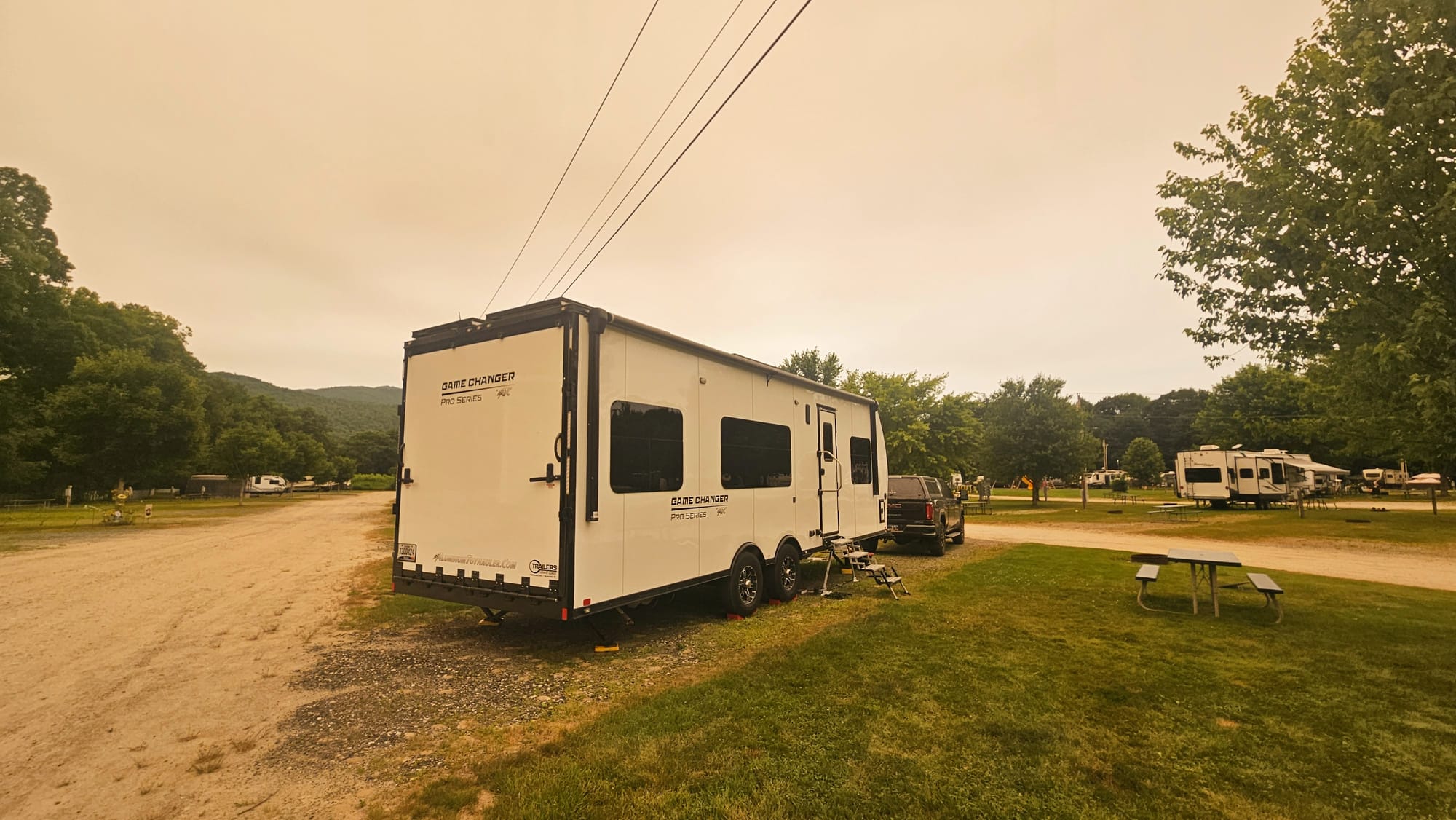
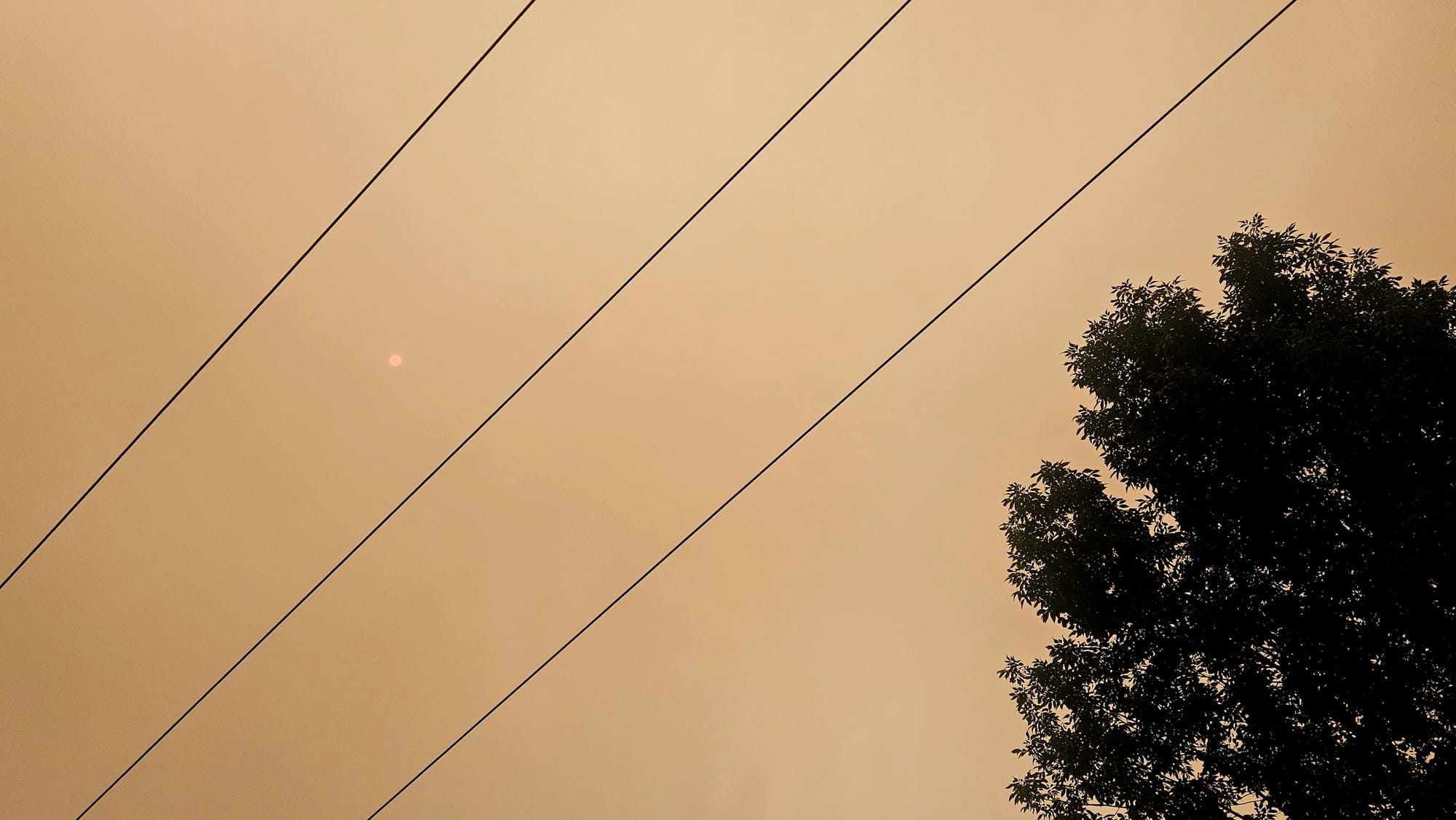
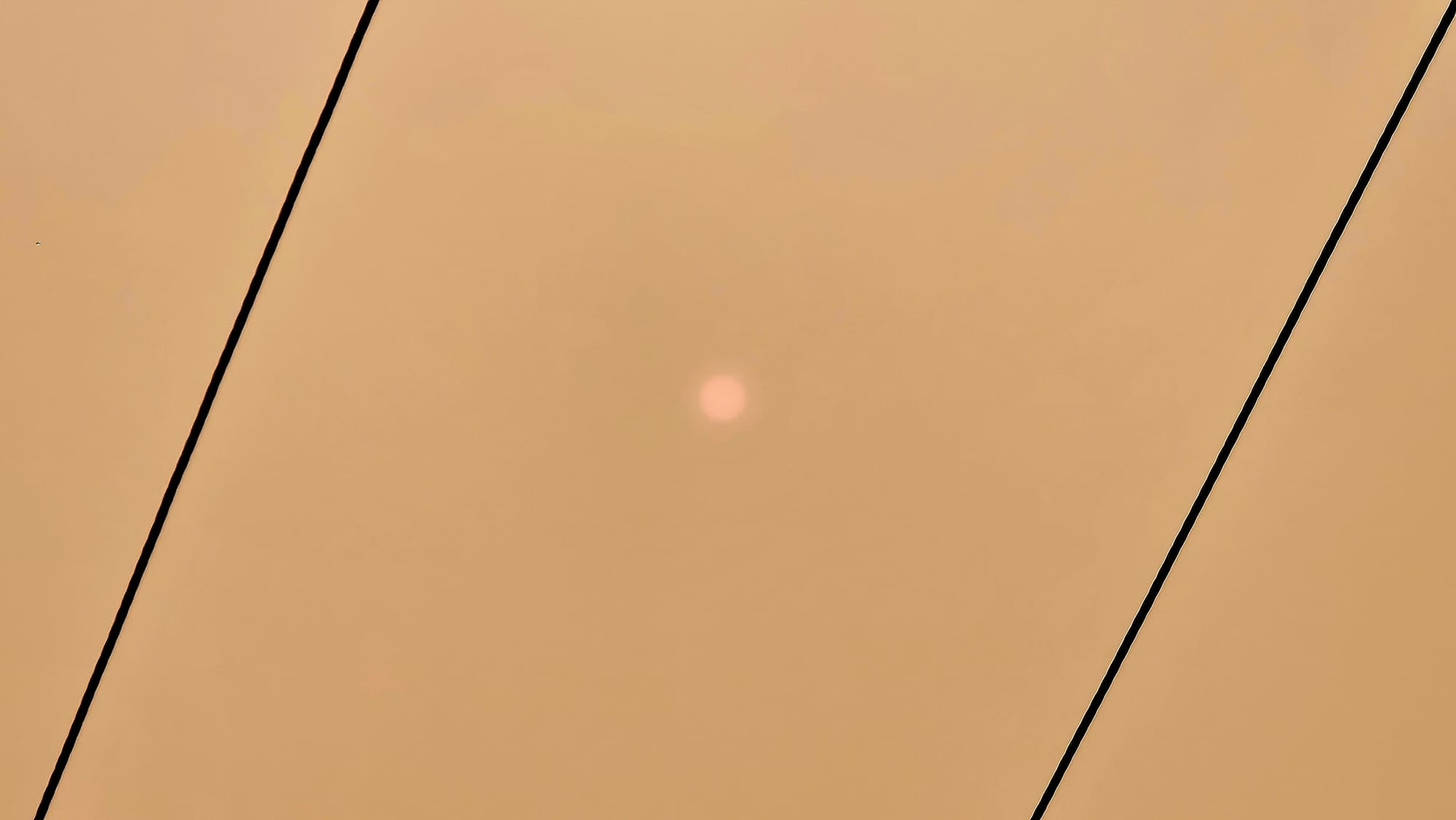
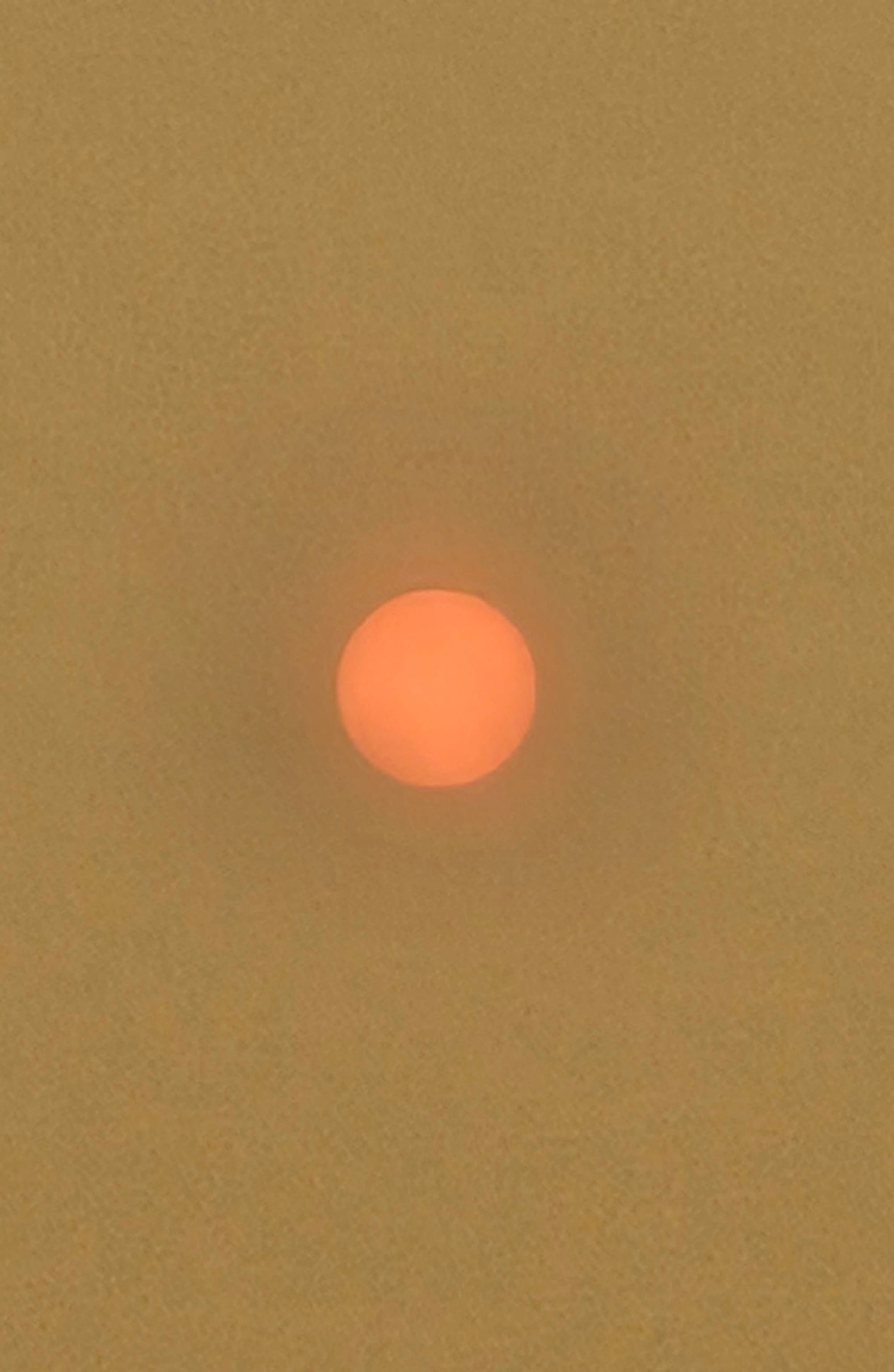
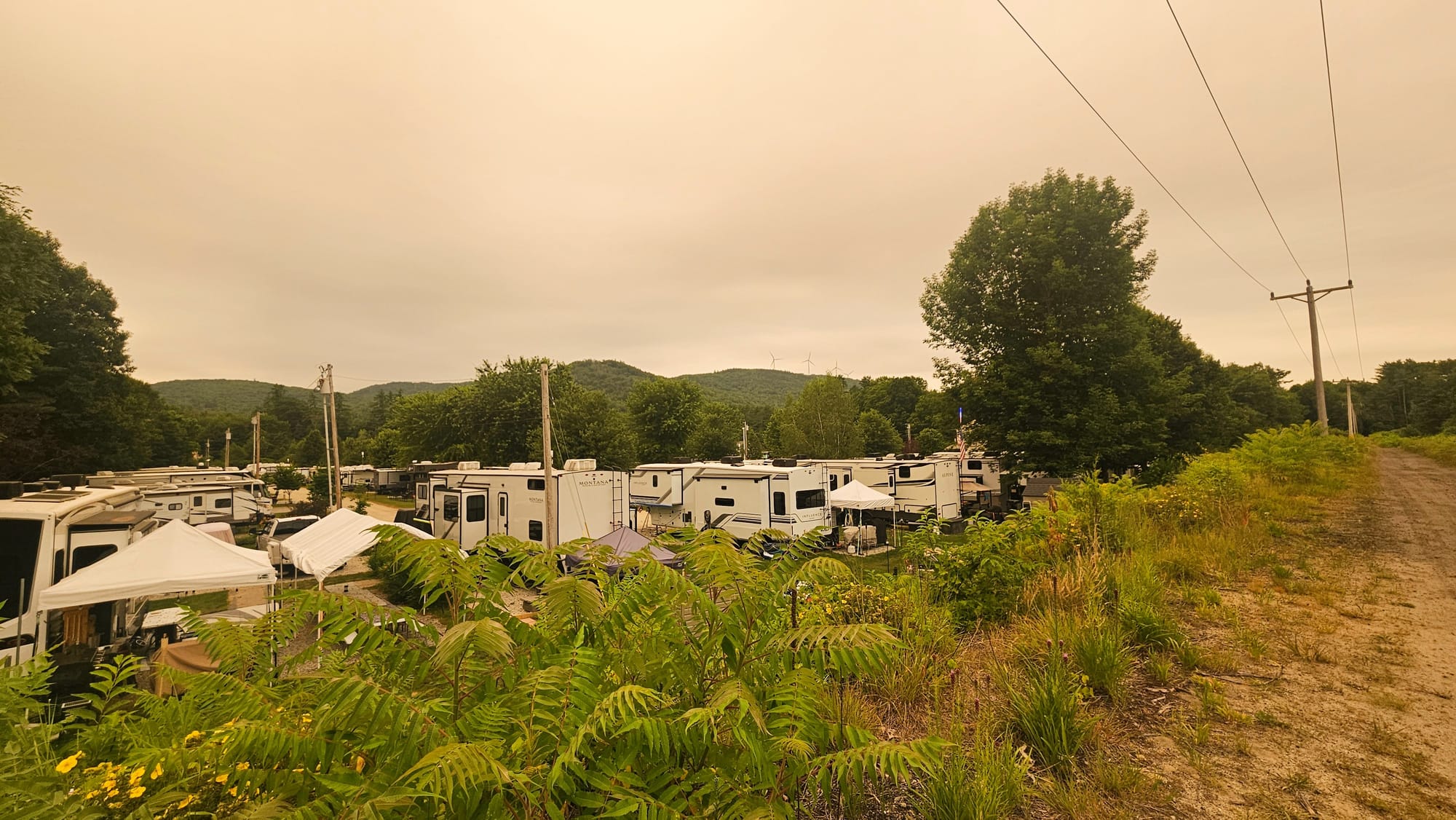
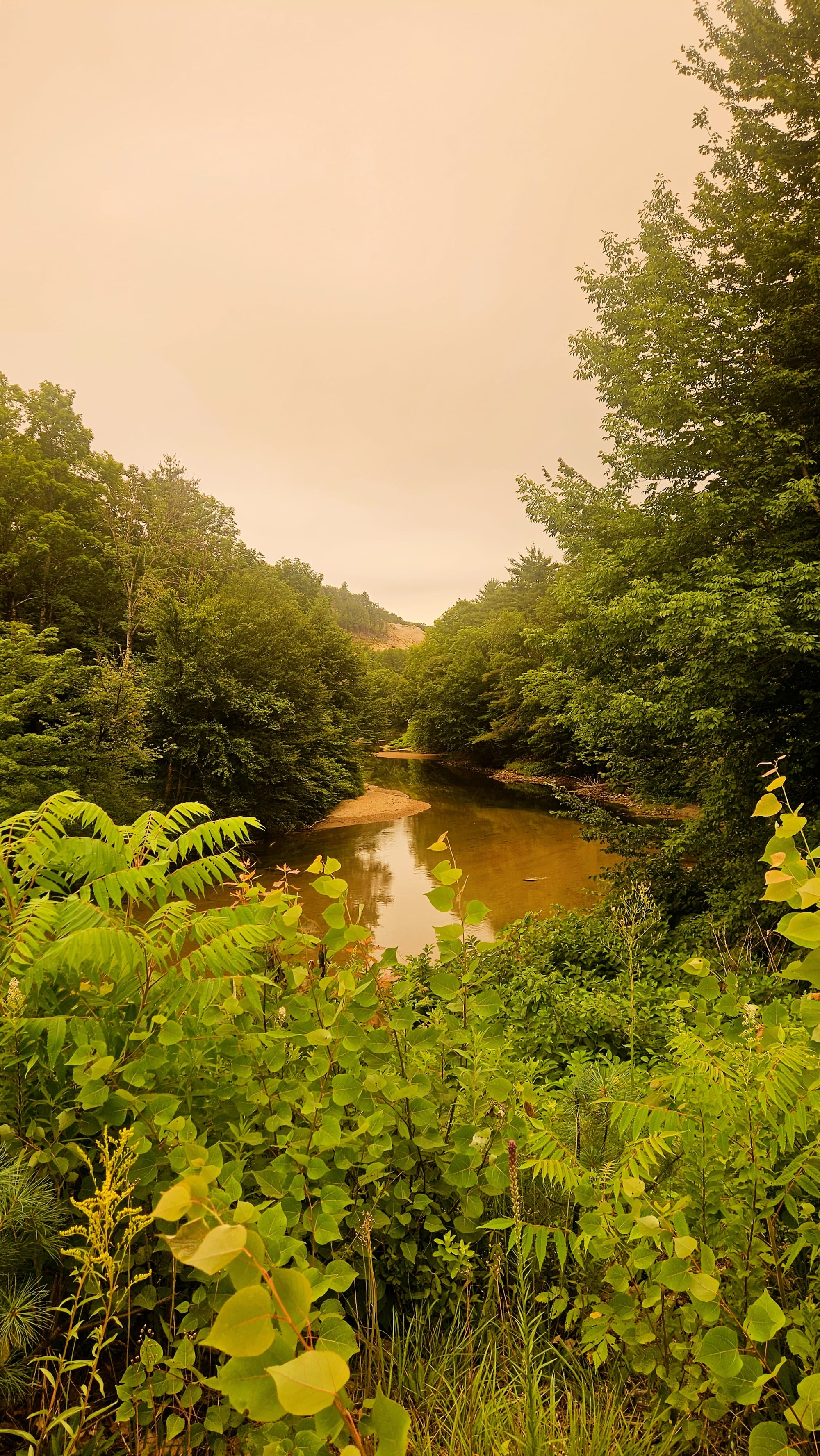
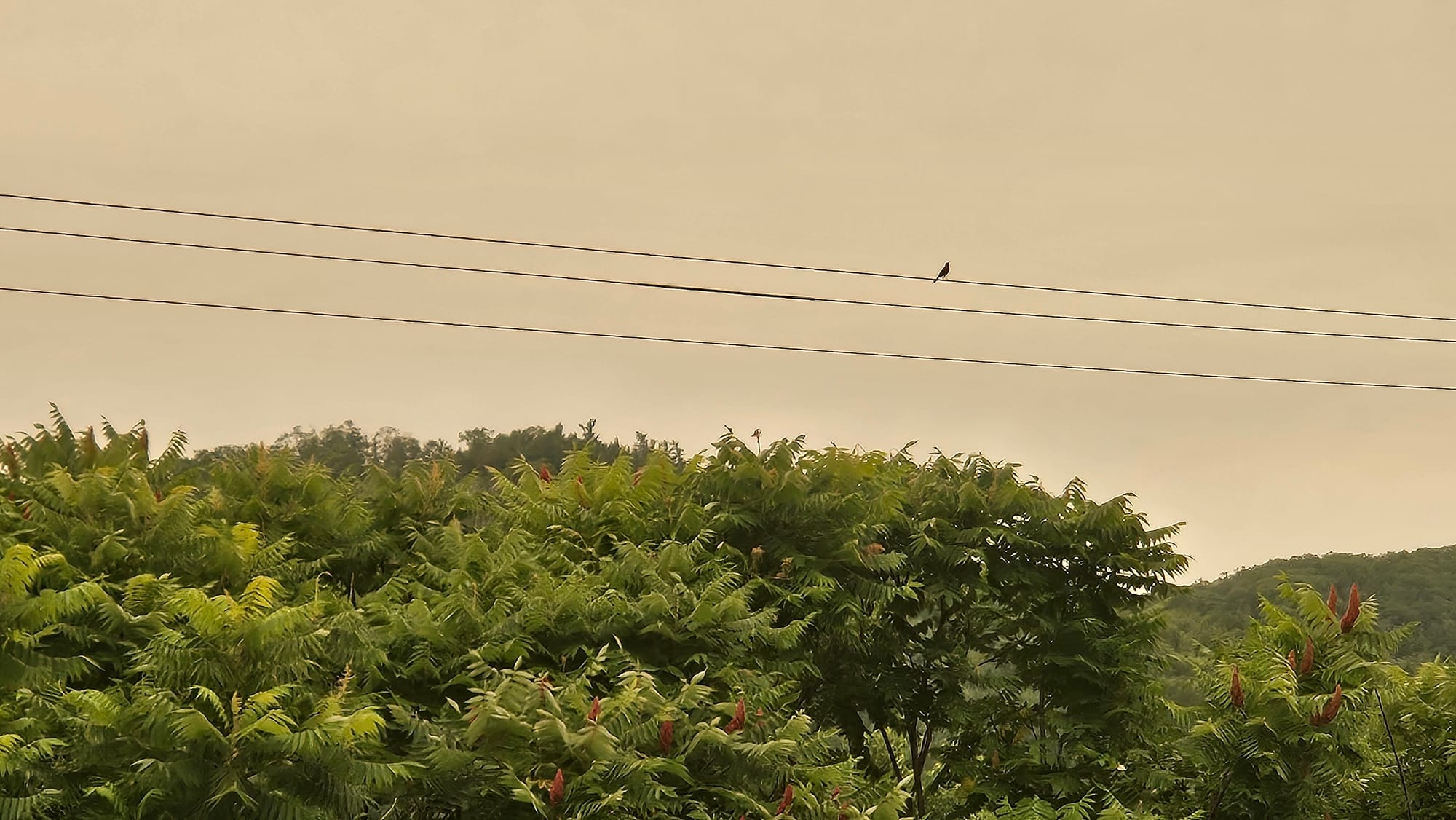
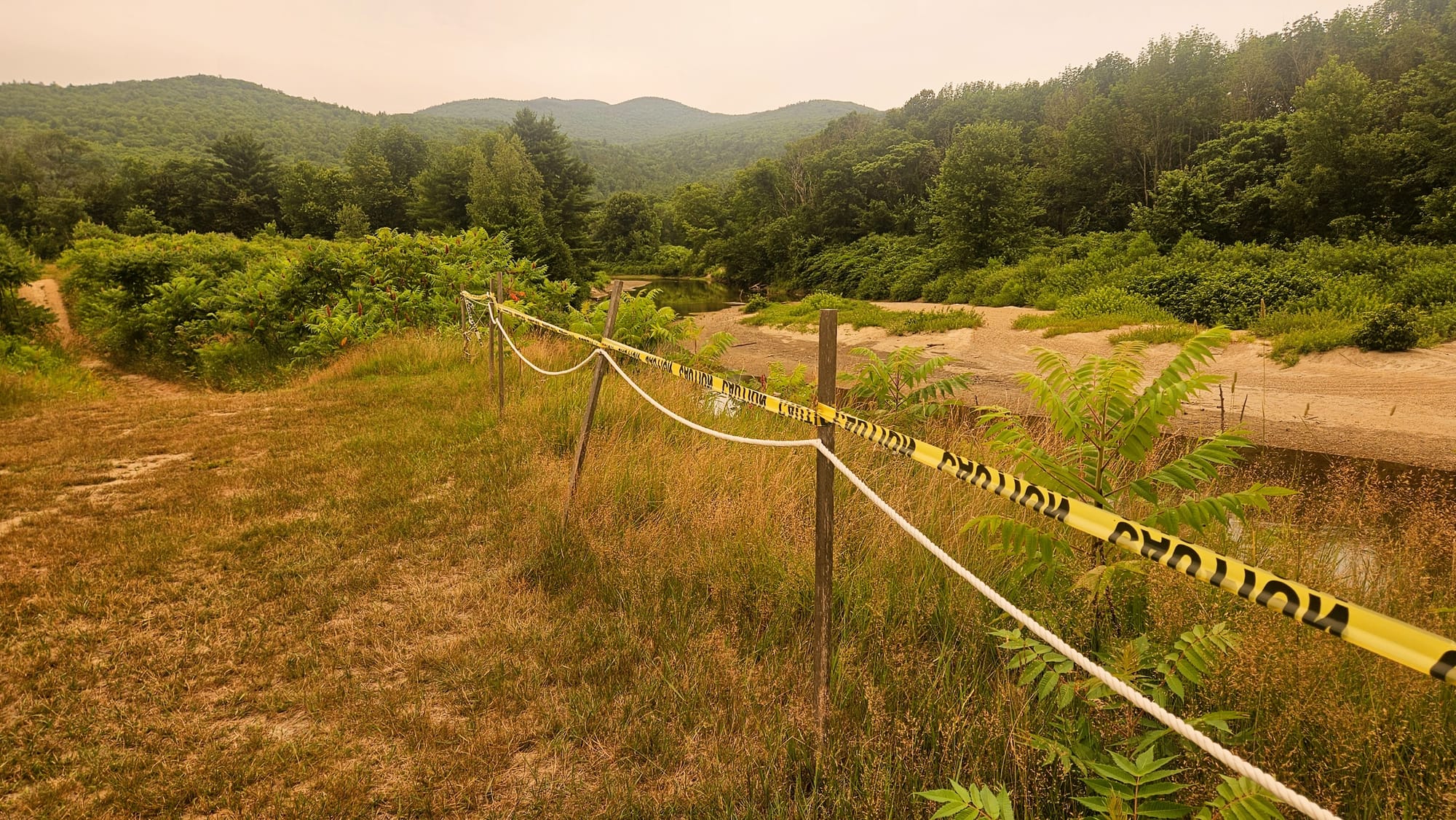
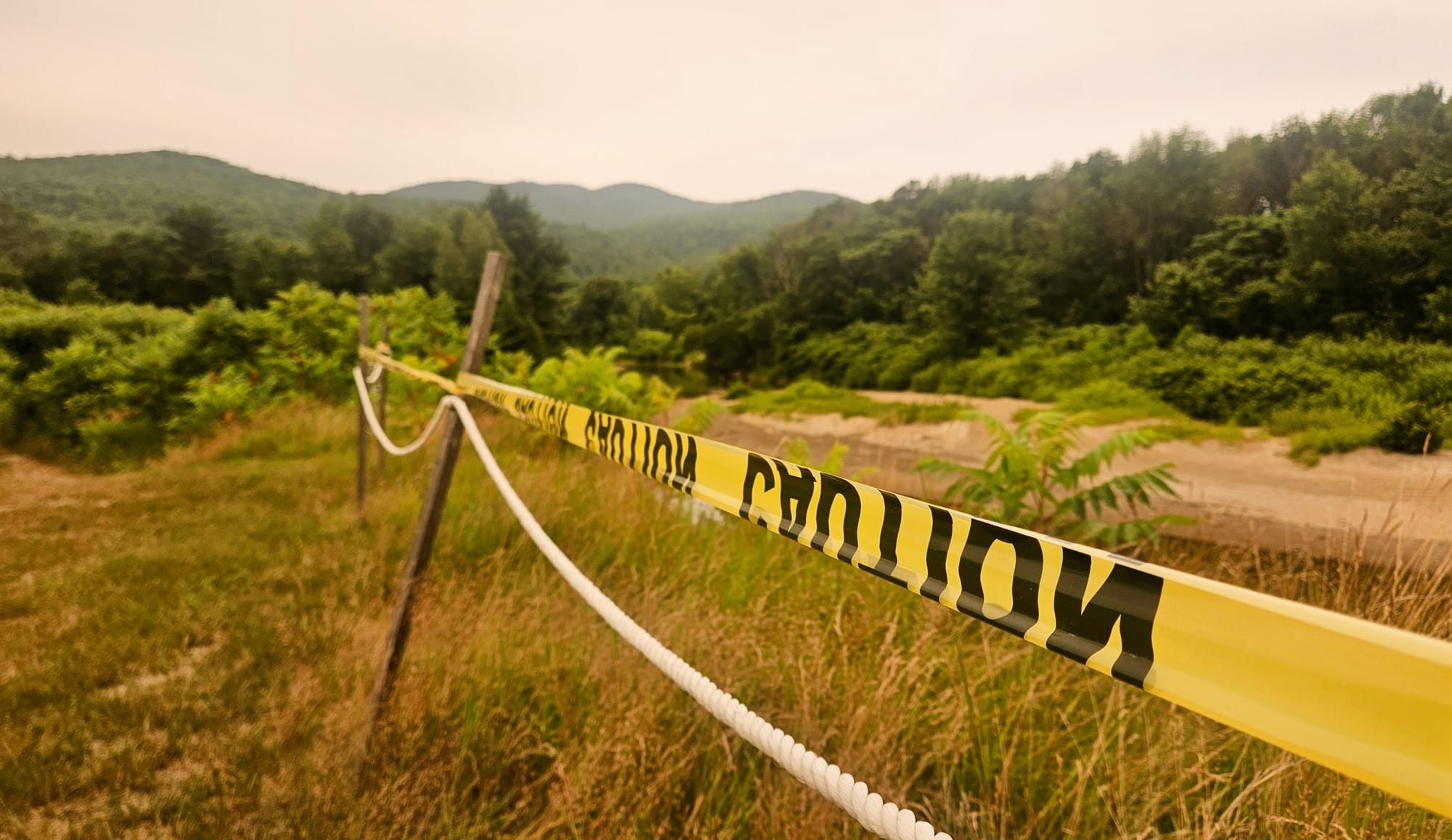
The photos look like they have a sepia filter, but they don't.
Another important observation: the temperatures, which were supposed to hit the mid-90s, were not increasing at nearly as rapid a rate as predicted. The haze was blocking the sun enough that it couldn't radiate the predicted heat.
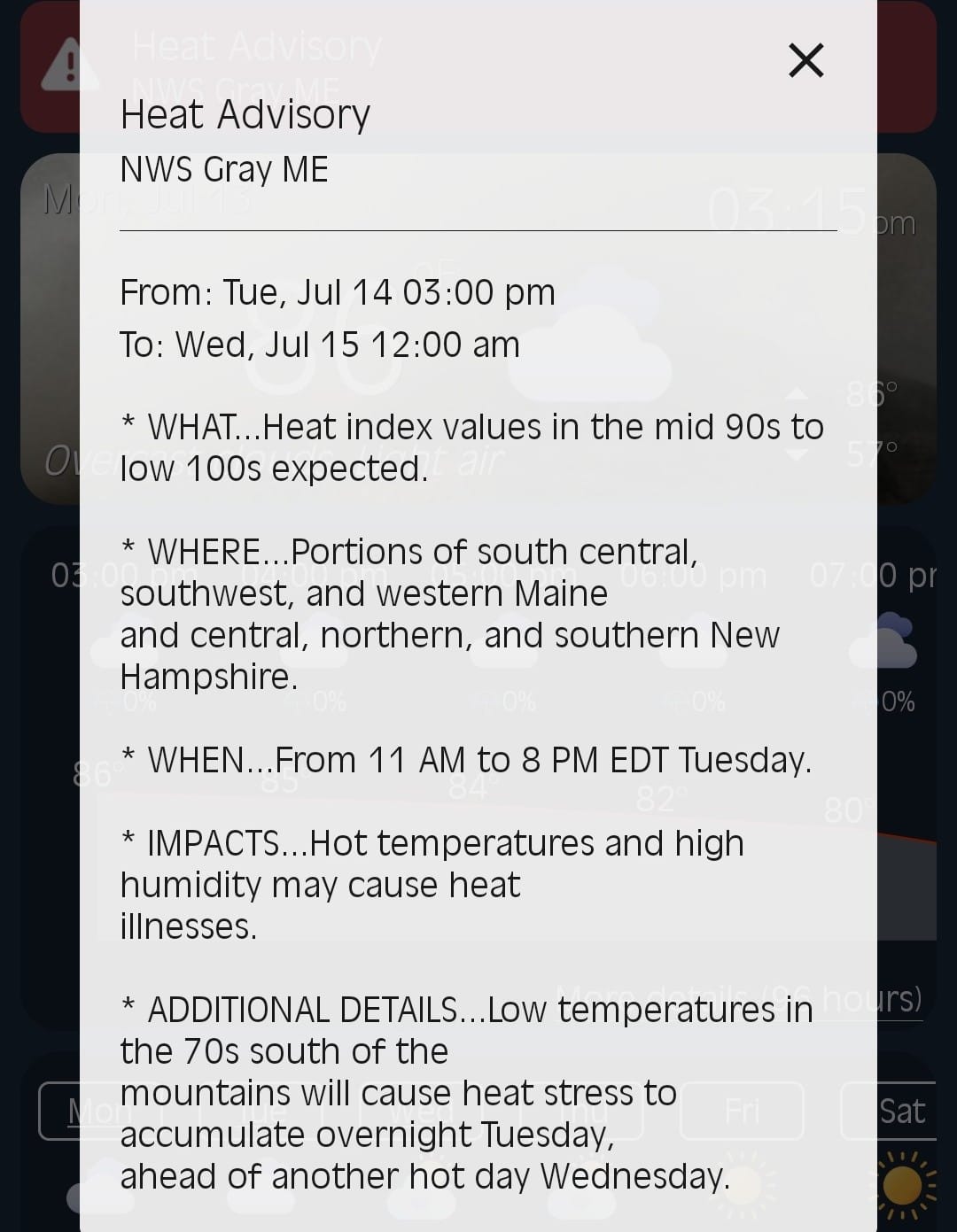
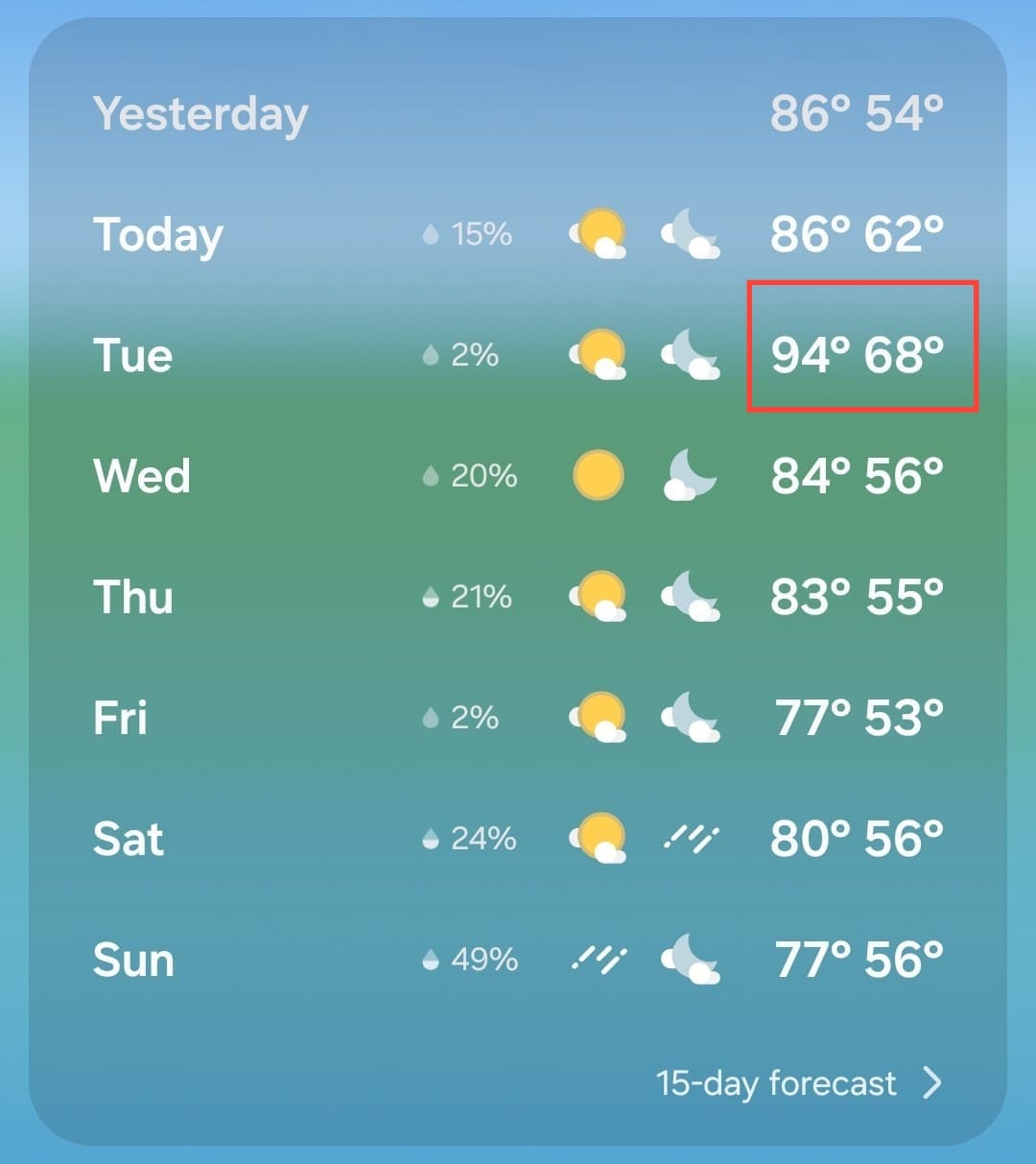
One of the necessary triggers of instability in the atmosphere is the collision of the moist cold front with the heat. If the surface temperatures don't reach high enough, it could keep storms from firing. This means that the very jet stream that was supposed to bring supercells, might instead bring us just the haze, which, as ominous as it looks, could keep us from storm-related danger. A lot remained to be seen as the day progressed.
When evening came, eyes were on Canada to see if storms would fire. Besides sporadic severe thunderstorm warnings, things were relatively quiet. Our hourly forecast shifted and was now predicting a chance of storms at 2am instead of 9pm. Our temperature for the day peaked at 85°F, 9° cooler than predicted.
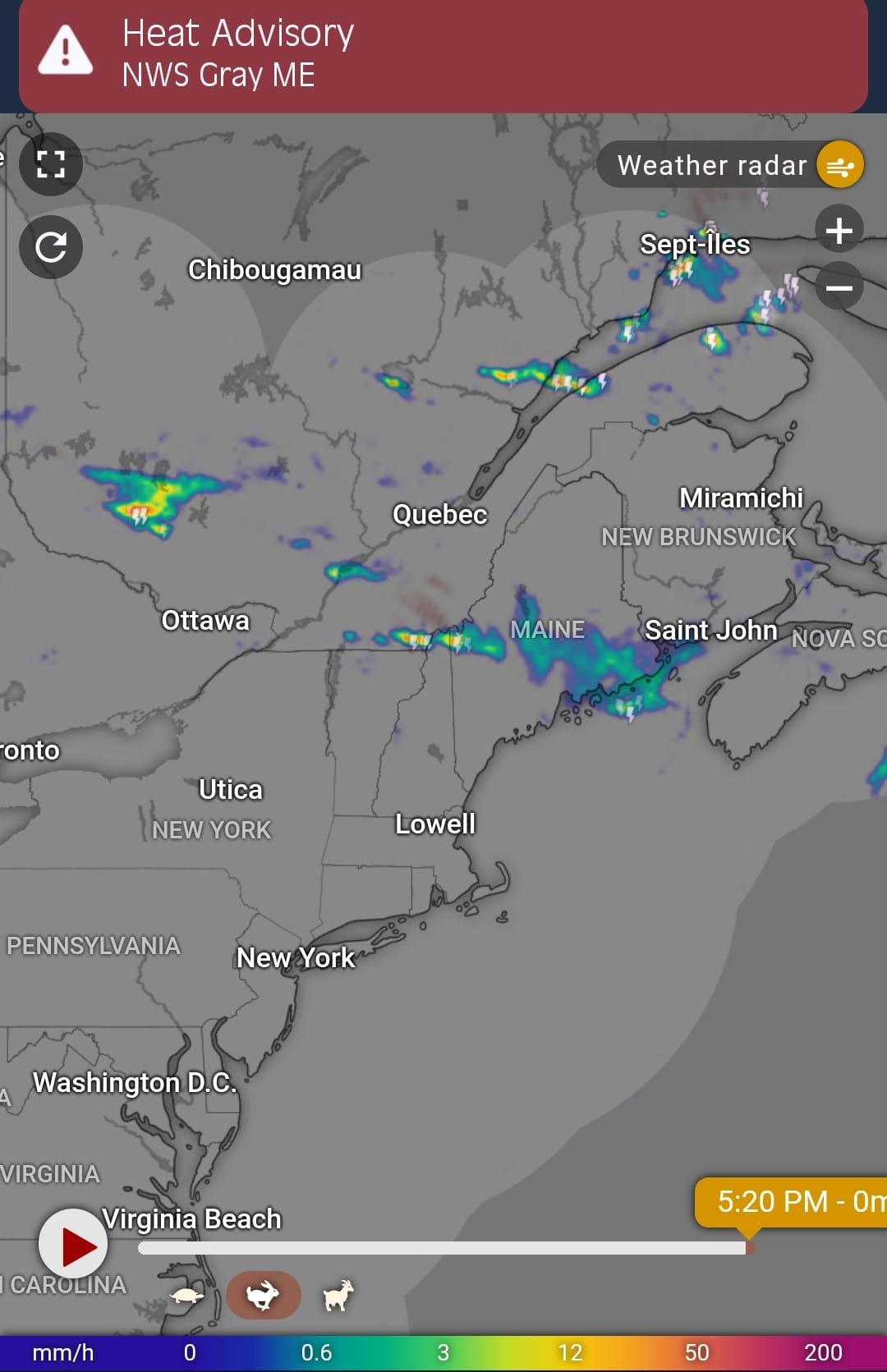
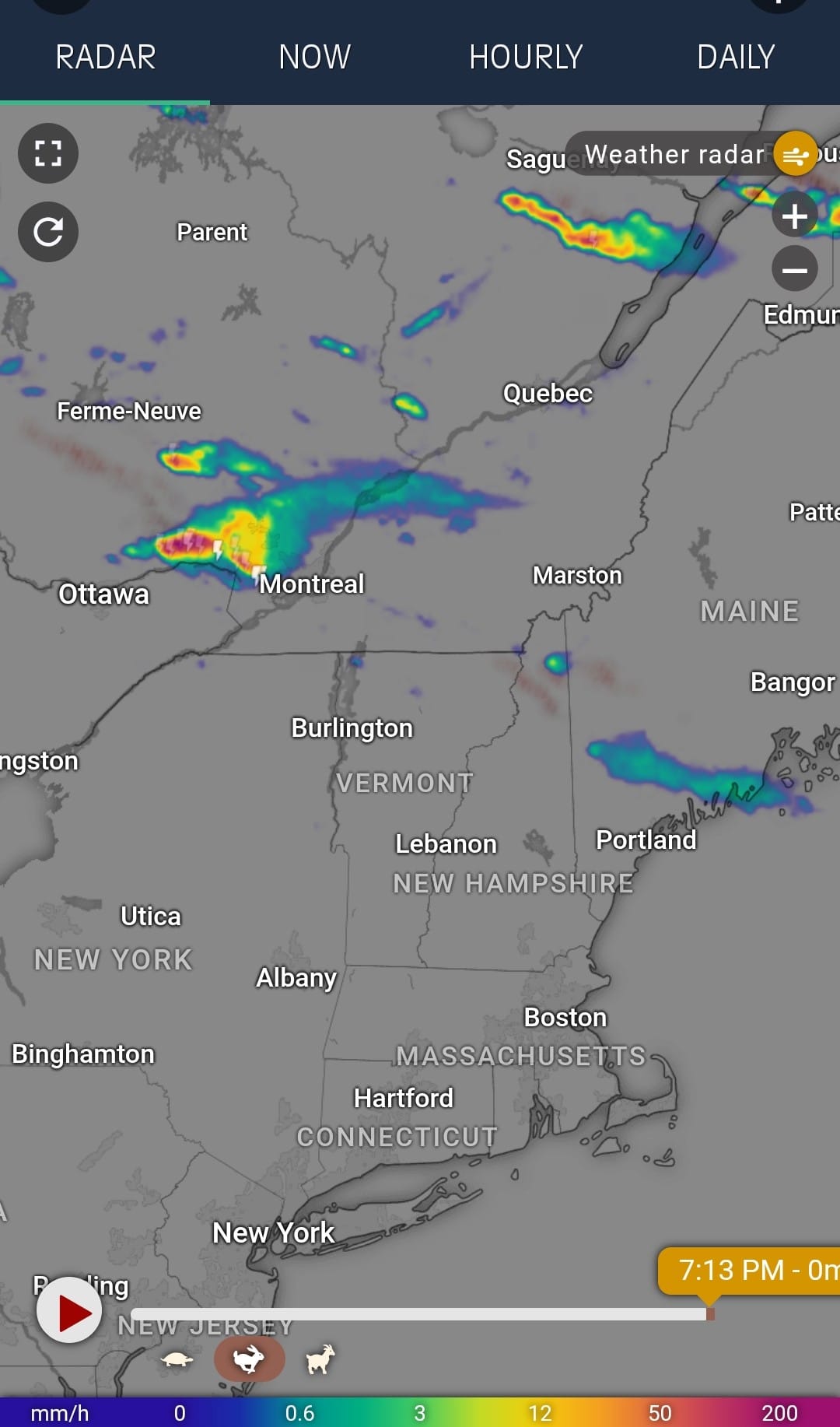
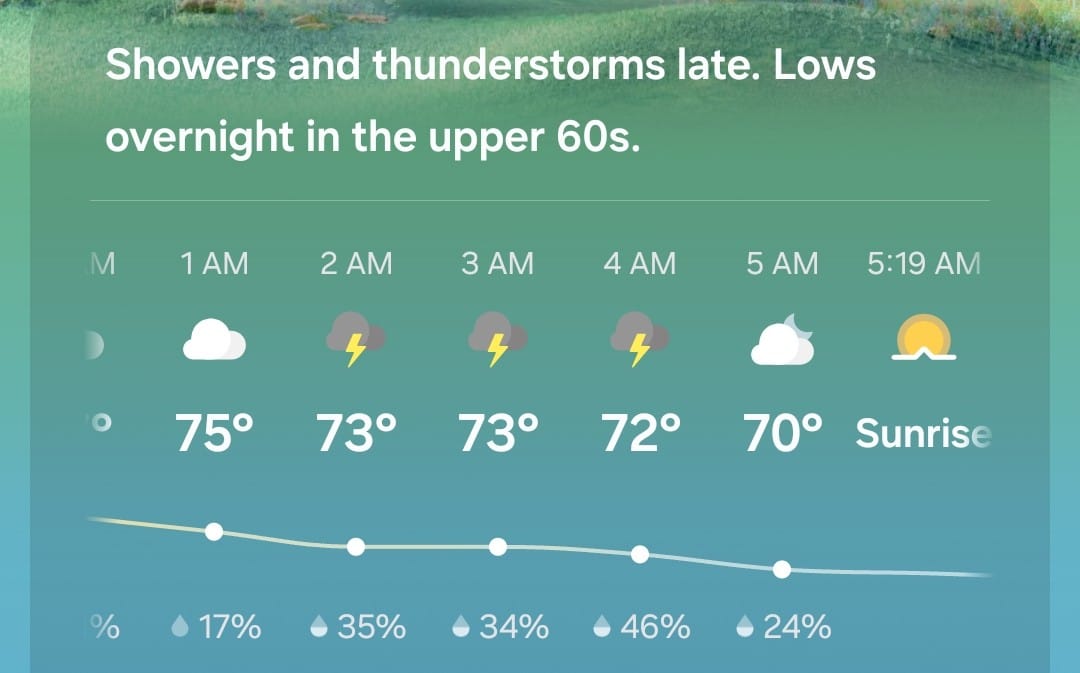
Radar at 5:20pm and 7:13pm; risk of storms now later in the night
The weather seemed to be underperforming, but just in case, we made sure our emergency go-bags were ready and accessible. We keep bags packed with an extra set of clothes, toiletries, and some water bottles. For the pets, we have food, toys, water bowls, extra leashes/harnesses, and a portable litter box. These are bags we keep packed at all times, and the pets' bags double as travel bags, which we use on long travel days or displacements. Setting them out was an important reminder that it doesn't matter where someone RVs. You never know when or where emergency essentials might be needed. The only other place we needed go-bags during a natural disaster was in Utah, when we used the pet bags but not our own because ours weren't accessible. It took a few weather emergencies to get in the habit of taking our bags out, too. Now, even if the risk seems small, it's well worth the effort just in case.
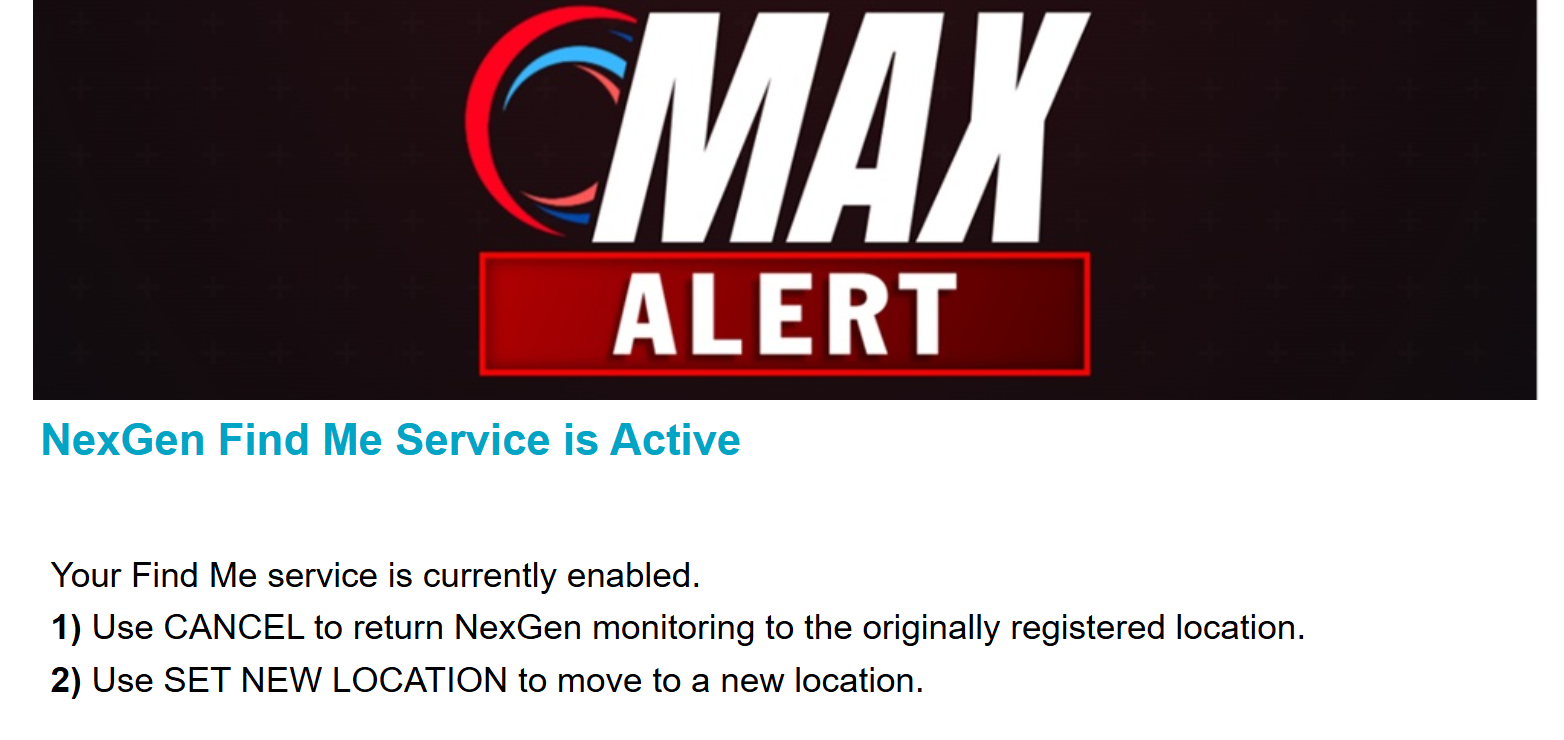
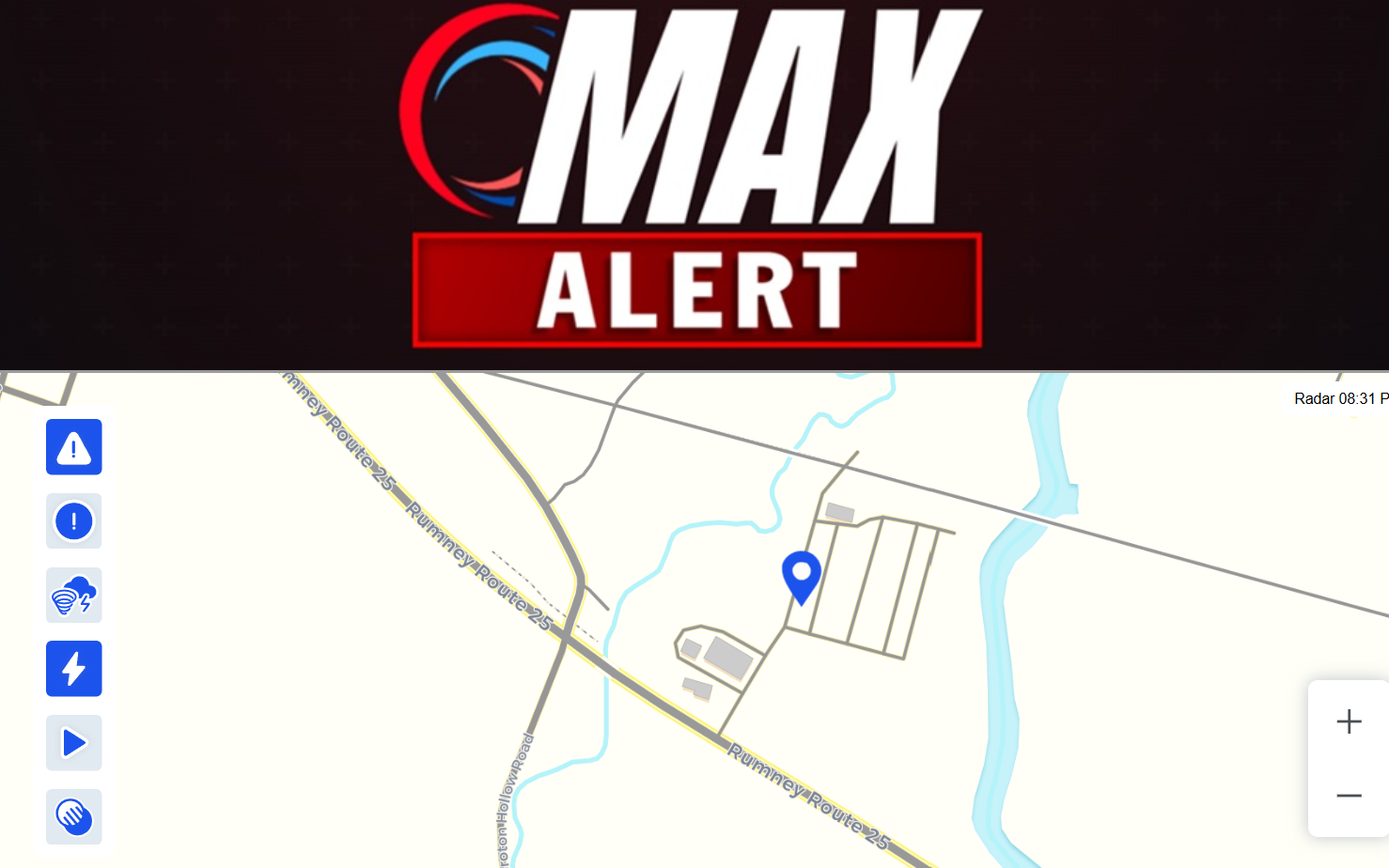
We also made sure our Max Alert location was up to date. We got this service back in March as soon as it was released. It's an automated phone system offered by Max Velocity that calls and texts you whenever there's a severe warning in your area. We used it to get through our Clarksboro outbreak, and it's come in clutch many times since, both for severe thunderstorm warnings and for lightning detection. Since we were looking at a noctural threat of storms and the warning systems in NH aren't very robust, having Max Alert was essential. It has a "Find Me" feature where, if you're away from your main location, you can have it pin your current location and use it for alerts for 5 days. Our 2-week stay at Riverbrook meant we needed to reactivate the "Find Me" feature a couple times while we were there, especially before Tuesday's storms. As we've said before, we aren't sponsored by this service, but we can dream! Until then, we like to share information on it because it's new and we find it's super helpful for RVers and non-RVers alike. We've had situations where our other apps don't alert us when they should, but Max Alert has always been accurate.
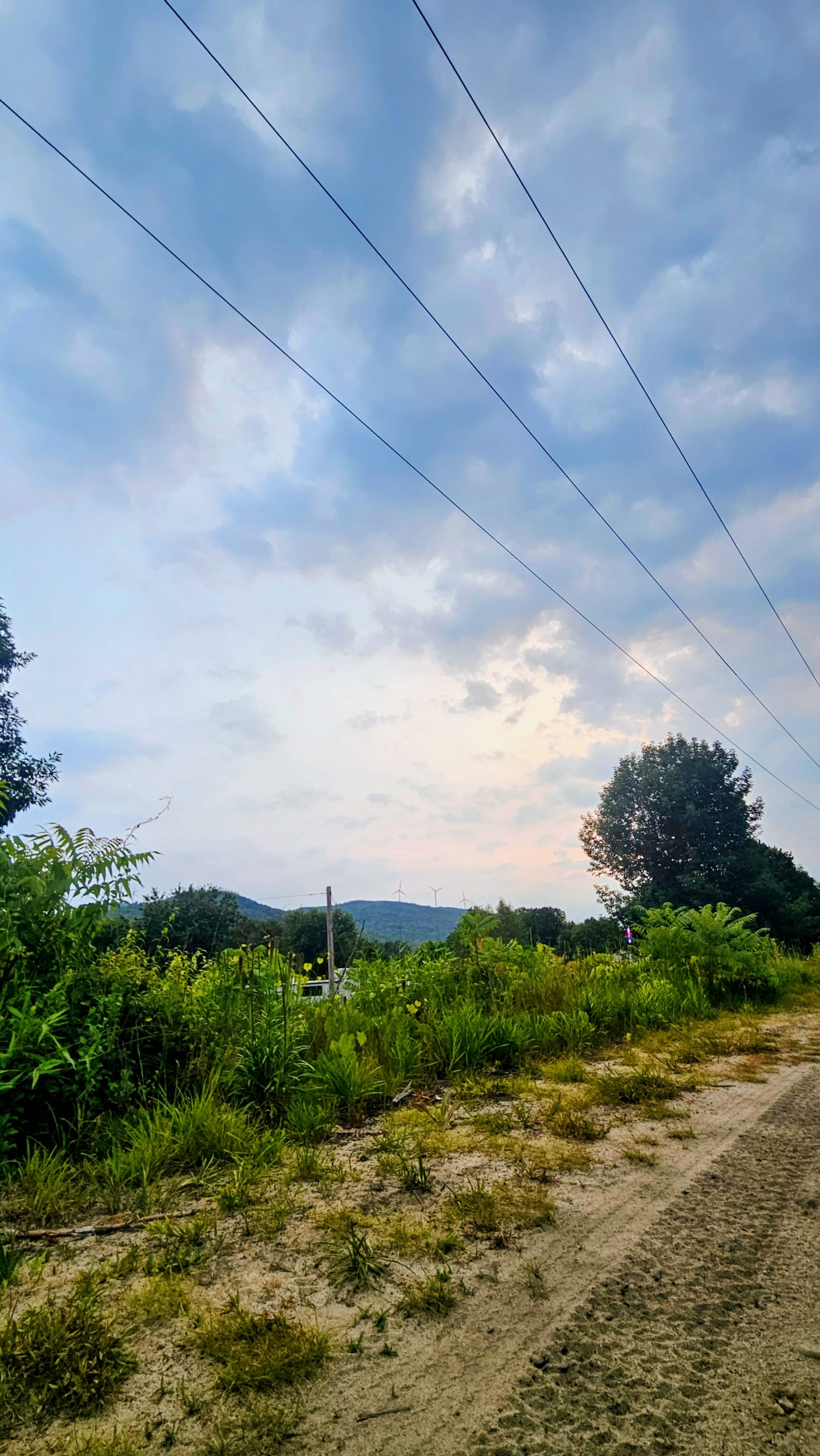
Sundown observation walk: The skies had partially cleared from the haze, but the clouds were rolling in. The humidity had increased. The first drops of rain fell, but only one every 30 seconds to a minute. Once the darkness set in, we'd need to monitor the radars and apps to make sure nothing developed. Meteorologists were trying to determine if the storms would fire later, or not at all. There was no obvious indication either way. Even with all the technology, some weather is still unpredictable.
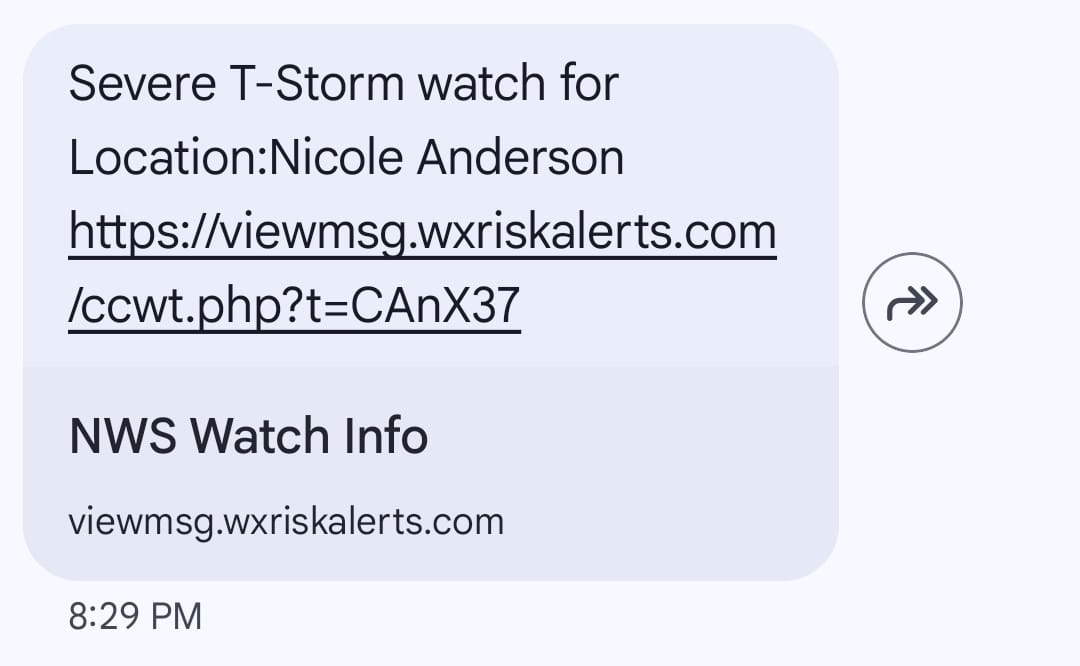
Then right after our walk, our trusty Max Alert message came in. We were officially under a severe thunderstorm watch until 4am. Time to lock in!
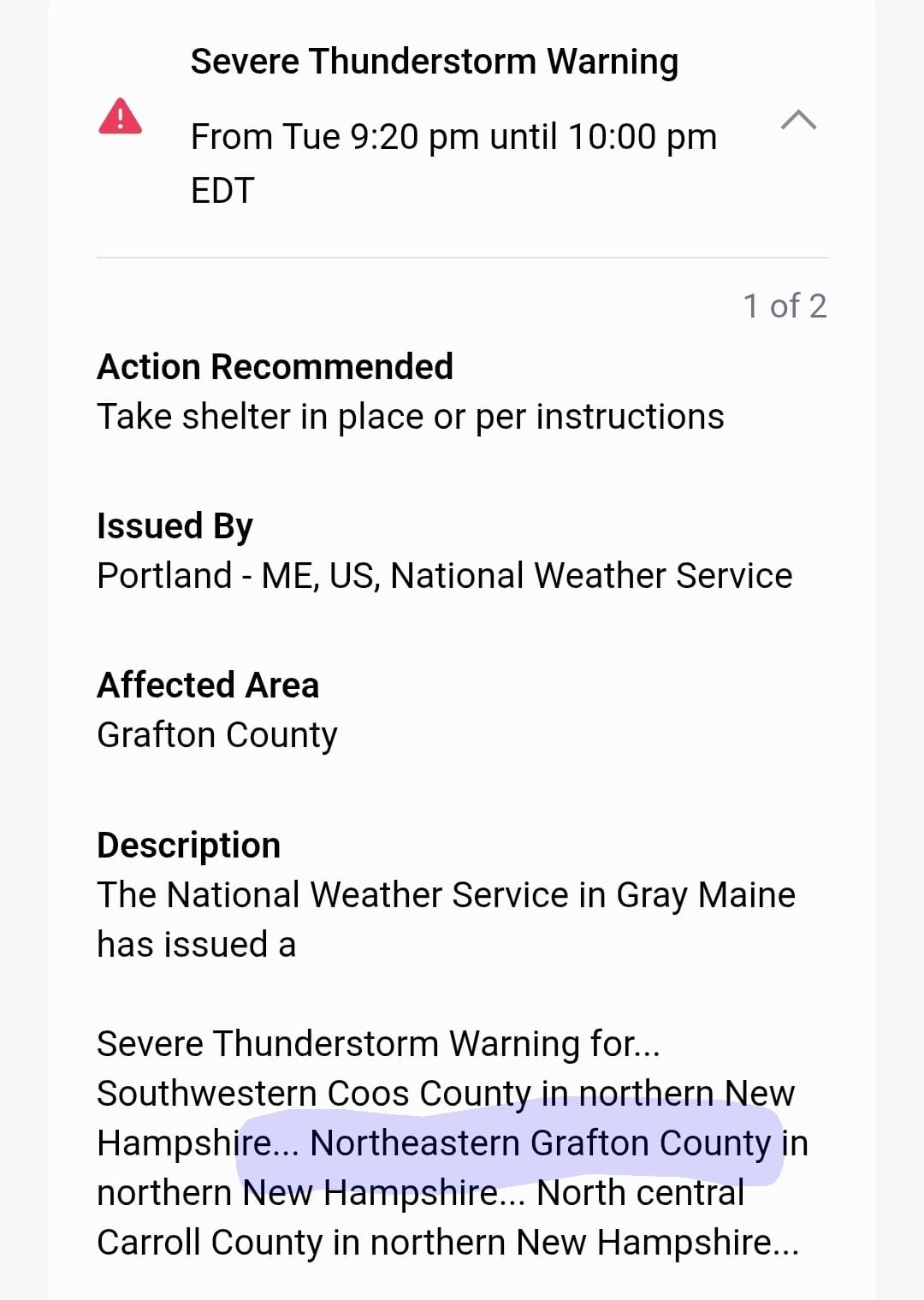
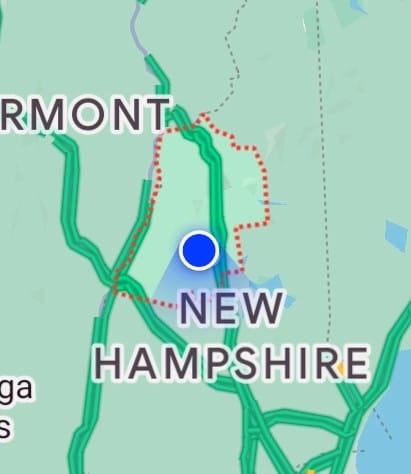
At 9:30pm, we had further proof why it's so important to have multiple alert systems. The weather.com app mis-issued a warning. Part of our county was under a severe thunderstorm warning, but not our specific area. Weather.com issued us a warning anyway, but Max Alert and our Weather Radar app both kept us under a watch, which was accurate.
As the night wore on, the future radar downtrended. While the atmospheric conditions remained favorable for tornadoes, they weren't met with enough rising air to produce tornadoes. After all that hype, most areas were looking at thunderstorms, with some being severe, in the overnight hours.
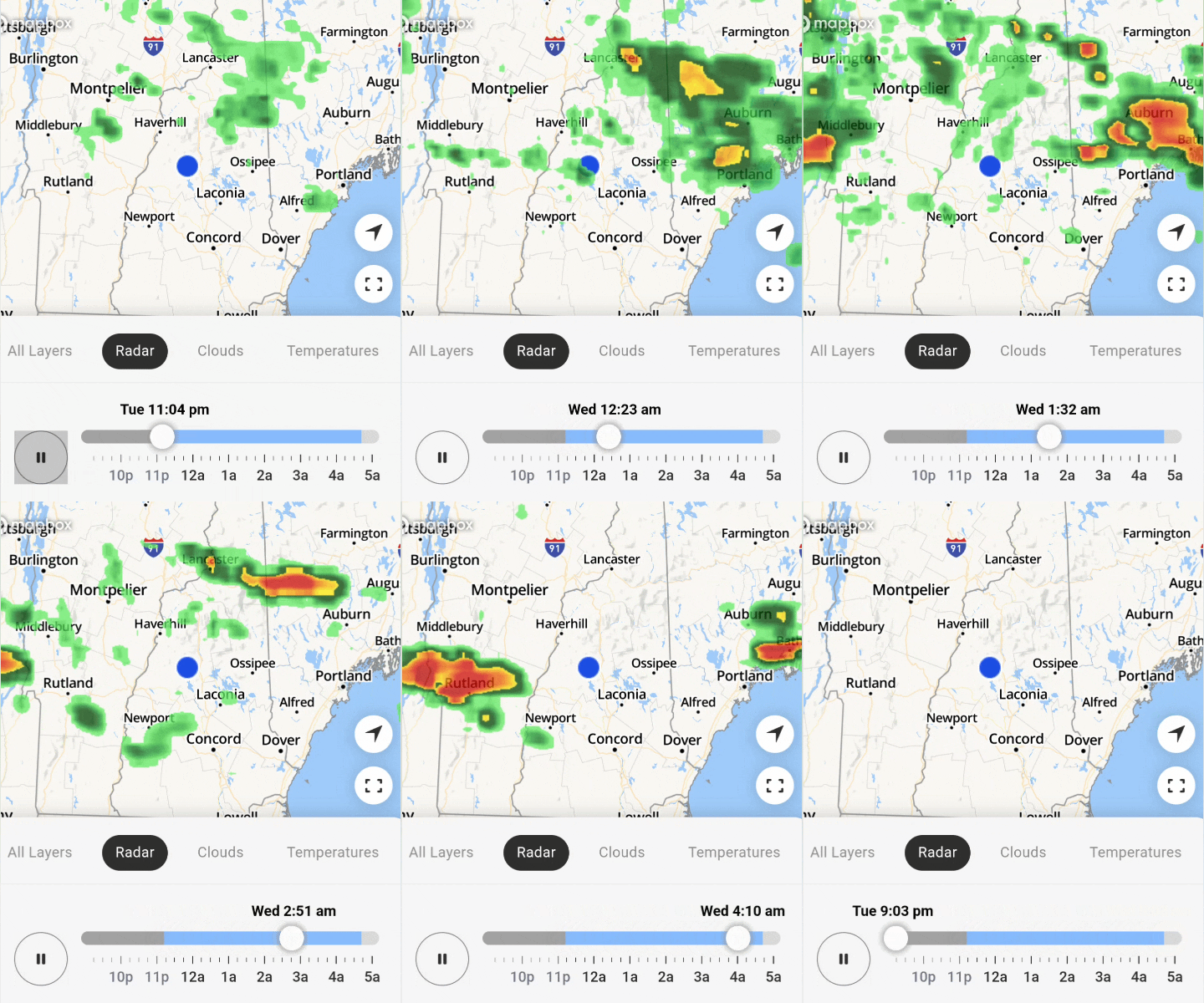
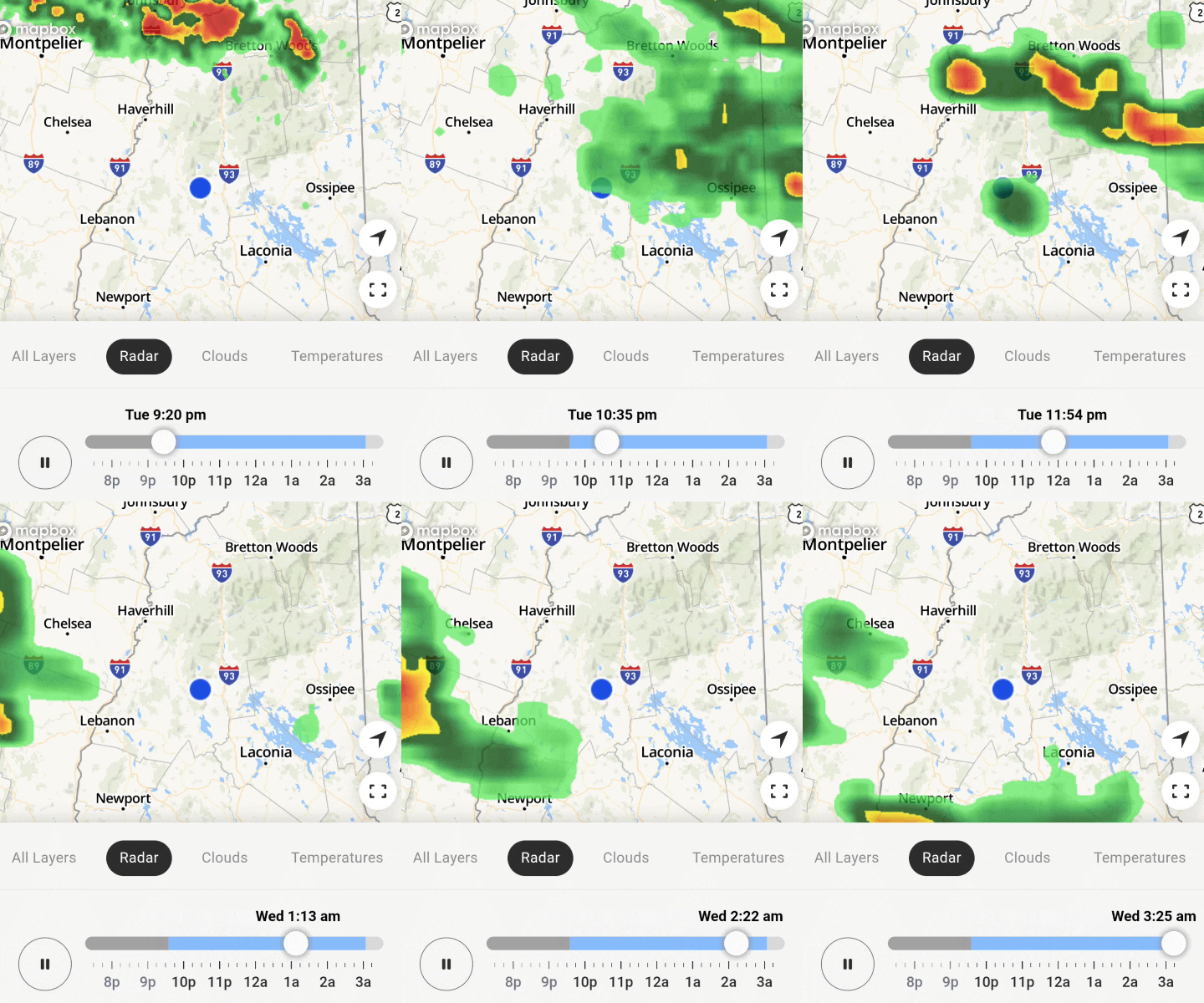
Future radars taken from a couple hours apart show most of the storms dissipating before they reach us
We had a rainstorm roll in around 3am, but most of the heavier downpours and lightning skirted us. Central Vermont still got hit with some big thunderstorms, but nothing severe. The Northeast ended up not experiencing any rotating storm cells.
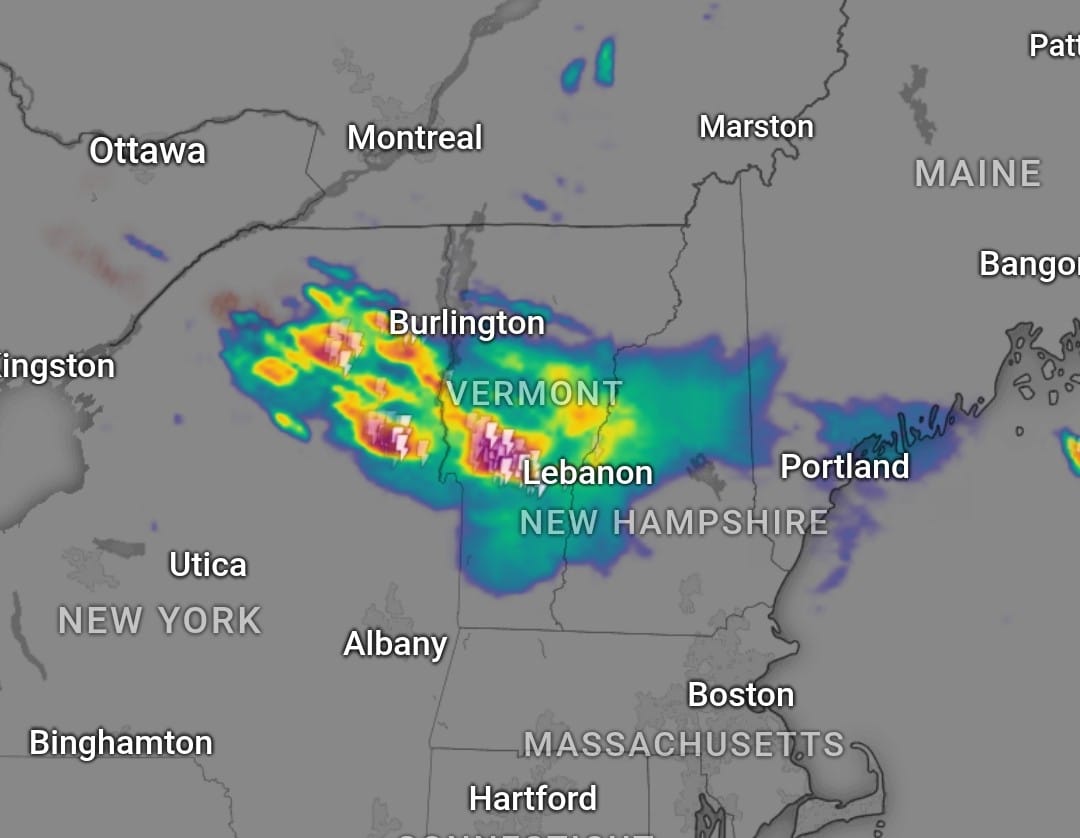
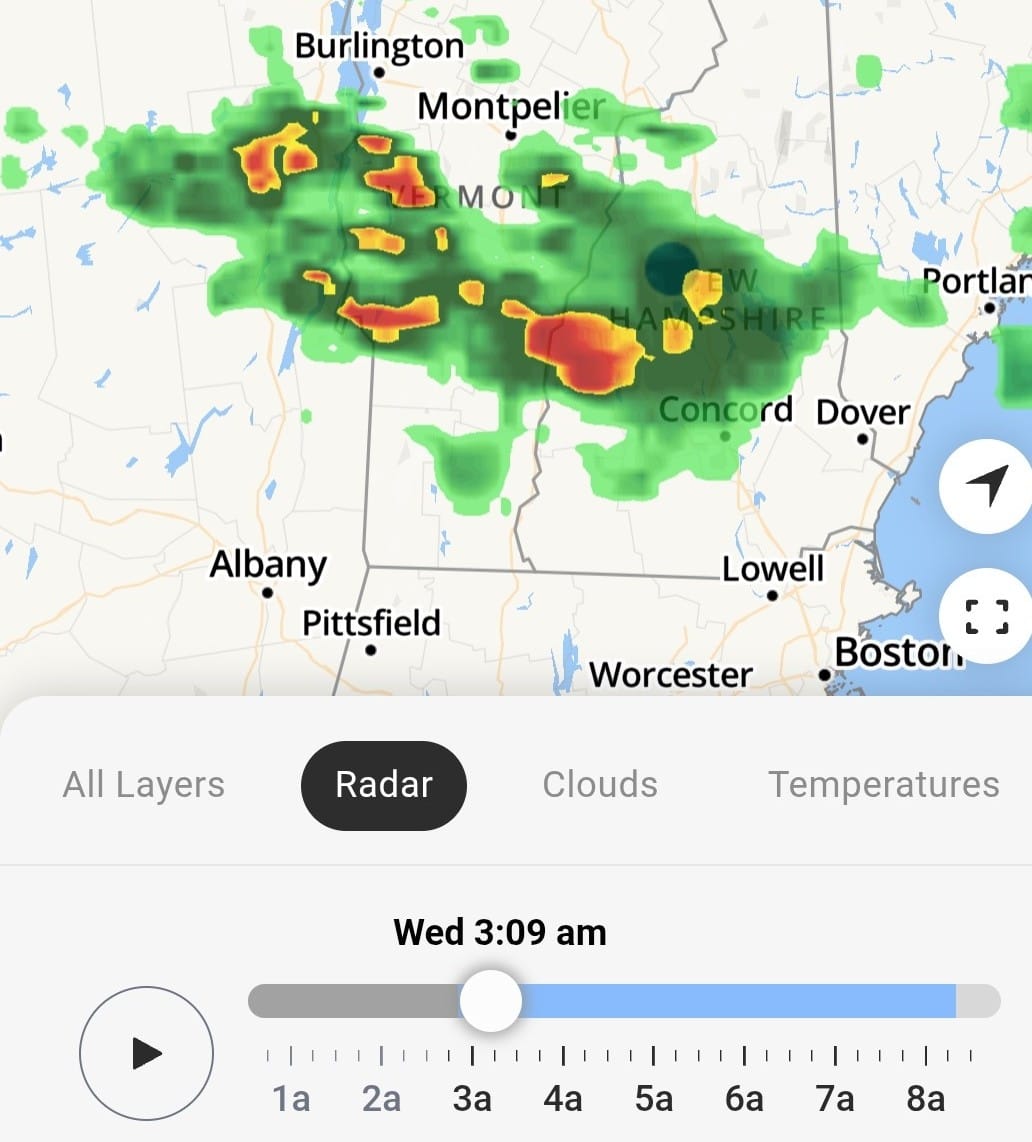
So what actually happened to make this weather forecast not pan out? It really was mainly due to the wildfire haze. Not only did it reduce the surface temperatures during the day, but it also put a cap in the atmosphere that kept the surface air from rising. The other contributor was that there were morning thunderstorms that fired later than predicted. As a result, the later storms were also delayed, to when temperatures had already cooled off even more. It wasn't optimal conditions for storm fuel.
Even still, we're glad we took all the preparations. We learned a lot about storm prep up in New England versus other parts of the country. For starters, most of our fellow RVers aren't used to severe weather up here. We can't look to our neighbors to see what they're doing, and we can't expect any designated storm shelters. On top of that, we learned that erring on the side of caution makes good sense because the weather radars might show less intensity than what is actually occurring. Moral of the story: RVers might think they don't need to learn about tornado preparedness because they don't travel to "those" parts of the country. The truth is, severe weather outbreaks of all kinds can happen anywhere. We've been surprised by the weather multiple times this year. We're happy that this surprise was a good one, and we were kept safe. It's ironic that wildfires, which are dangerous in their own right, kept us out of danger. Just goes to show that nature has her own agenda, and as RVers, we need to honor it in the safest way possible.